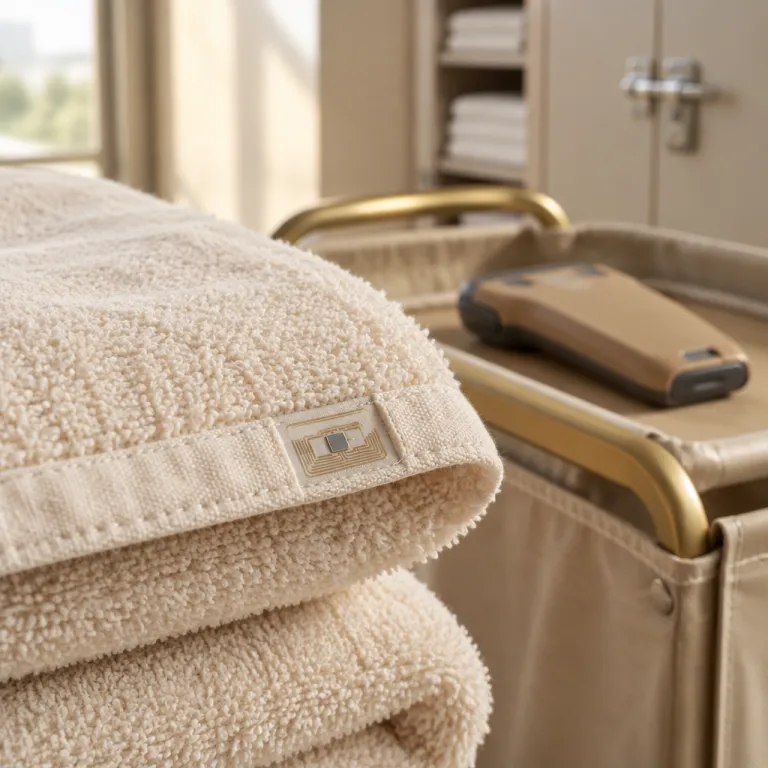
From missing towel to smart asset: why RFID enabled towels matter
RFID towels turn every towel into a connected asset with a unique digital identity. By embedding discreet RFID tags into hotel towels and bathrobes, IT directors gain real time visibility on where each item is in the property or in the laundry circuit. This shift from manual counting to automated tracking opens window after window on operational data that was previously invisible and difficult to audit.
For hospitality leaders, the move from traditional linen management to RFID systems is not a gadget decision but an operational strategy. Each towel, sheet, and piece of linen becomes part of a unified system that supports inventory management, theft prevention, and quality control across multiple properties. When the RFID readers are integrated with the property management system and the laundry systems, the life cycle of every textile can be measured, optimized, and audited with precision, from purchase order to final discard.
Guest expectations around hygiene and premium quality have never been higher, and the industry is under pressure to prove that standards are met consistently. RFID enabled towel tracking helps hotels document every wash cycle, every laundry batch, and every replacement decision, which strengthens both operational efficiency and brand trust. For investors and travel tech startups, this is a rare case where a physical object like a towel becomes a data generating node in a broader IoT and AI architecture, feeding analytics on usage, durability, and service levels.
Inside the RFID towel stack: architecture, tags, and readers
At the core of RFID towels lies a simple but robust architecture combining RFID tags, RFID readers, and a central management platform. Each towel and each piece of linen receives a sewn in RFID tag that resists high temperature laundry processes and maintains signal integrity over its full life cycle. In most hospitality deployments, these tags follow UHF EPC Gen2 (ISO/IEC 18000-63) standards in the 860–960 MHz band and are certified for several hundred wash cycles under commercial conditions.
RFID readers are then deployed at strategic points such as laundry chutes, loading bays, housekeeping pantries, and staff exits to support theft prevention and time tracking. When a trolley of hotel towels passes a reader, the system instantly updates inventory levels, flags anomalies, and can trigger alerts for potential towel theft or theft towel incidents. In typical hotel environments, well tuned readers achieve high read rates even with dense stacks of linen, and compared with manual counts this automated tracking reduces human error, shortens audit time, and improves operational efficiency across the housekeeping and laundry teams.
For IT leaders designing smart hotel infrastructures, RFID systems must integrate cleanly with existing PMS, ERP, and building management systems. A well designed prevention system for towel theft should expose APIs for data exchange, support role based access control, and provide dashboards that translate raw RFID data into actionable KPIs. When evaluating vendors, CTOs should benchmark tag durability, reader accuracy in dense environments, and the ability of the system to scale from a single boutique property to a multi brand portfolio, in the same rigorous way they would assess other guest facing technologies for hospitality and smart hotel rooms.
From anti theft to predictive maintenance: AI on top of RFID data
Once RFID towels are deployed at scale, the real value emerges when AI models start learning from the continuous stream of tracking data. Every scan of RFID tags at the laundry, every movement of towels and bathrobes between floors, and every anomaly in inventory control becomes a signal for machine learning algorithms. Over time, these systems can predict peak towel demand by time of day, room type, or weather, and they can recommend staffing and laundry schedules that reduce cost without sacrificing quality.
Anti theft and theft prevention use cases are often the first business cases presented to owners, because theft RFID alerts at staff exits or spa areas are easy to quantify in terms of avoided losses. However, the same prevention system can also identify abnormal life cycle patterns, such as a specific floor where hotel towels are damaged faster, pointing to a process or chemical issue in cleaning. When AI correlates RFID systems data with guest satisfaction scores and operational incidents, it becomes possible to link linen management decisions directly to Net Promoter Score and RevPAR outcomes, using statistically robust comparisons of pre and post deployment periods.
For innovation teams exploring smart room platforms, RFID data can complement other digital analytics to build a more holistic view of guest behavior. While entertainment and casting platforms focus on digital content usage, RFID towels data focuses on physical comfort and hygiene. Together, these streams help hotels personalize amenities, optimize housekeeping routes, and align service levels with the actual usage patterns of different guest segments, from short stay business travelers to long stay leisure guests.
Designing a prevention system that respects guests and staff
Deploying RFID towels for anti theft purposes raises legitimate questions about privacy, staff relations, and guest perception. A well governed prevention system must focus on the towel and linen as assets, not on tracking individuals, and the data model should reflect that principle clearly. RFID tags store only an anonymous identifier linked to the item type and status, and when RFID readers at exits trigger alerts for potential towel theft, the process should be framed as asset protection and quality assurance rather than surveillance.
IT directors and responsables innovation need to work closely with HR and legal teams to define policies around theft prevention and jewelry theft risk in spa or pool areas. Clear communication with staff about how the system works, what is monitored, and how data is used is essential to maintain trust and avoid resistance. Training should emphasize that RFID systems reduce manual inventory tasks, free time for higher value activities, and support fair recognition of teams that maintain excellent control over their linen and towels, with clear procedures for handling alerts and disputes.
Guest communication also matters, especially in luxury properties where premium quality hotel towels are part of the brand promise. Discreet signage can explain that RFID towels help guarantee hygiene, availability, and sustainability by optimizing laundry cycles and reducing waste. A short privacy and GDPR notice should clarify that RFID identifiers relate only to linen items, that data is stored in secure systems with access logging, and that analytics use aggregated or anonymized records rather than personal profiles. For complex edge cases, such as when an AI concierge or chatbot handles guest questions about charges for missing items, guidelines like those in this analysis of when the chatbot should stop talking and call the front desk help ensure that human judgment remains central in sensitive conversations.
Operational efficiency, laundry optimization, and the hidden cost of manual processes
Before RFID towels, most hotels relied on manual counts, paper forms, and rough estimates to manage linen flows. These manual processes consume time, introduce errors, and make it almost impossible to calculate the true life cycle cost of each towel or bathrobe. When RFID tags and readers automate counting at every transfer point, the hotel finally gains accurate data on how many cycles each item survives, how long it stays in rooms, and where losses occur, based on consistent, time stamped records.
For laundry partners, especially large operators in markets such as Europe or North America, RFID systems enable dynamic pricing models based on real time usage rather than flat per kilo rates. They can segment linen by quality tier, from standard to premium quality hotel towels, and adjust washing programs to extend life cycle without compromising cleanliness. This level of control supports sustainability goals by reducing over washing, lowering water and energy consumption, and cutting textile waste, while providing documented evidence for ESG reporting.
Operational leaders can then reallocate time saved from manual inventory tasks to guest facing activities and process improvement. Time tracking of housekeeping shifts, when combined with RFID based inventory management, reveals which floors or room types generate the most linen turnover and where staffing models need adjustment. Over several months, the data often shows that a relatively small investment in RFID readers and software yields a measurable improvement in operational efficiency, fewer stock outs, and a more stable supply of fresh towels and bathrobes for peak periods.
Building the business case: ROI, pilots, and scaling across a portfolio
For CTOs and investors, the decision to deploy RFID towels across a portfolio hinges on a clear, data backed business case. The first step is usually a pilot in a single property or cluster, where baseline metrics on towel theft, laundry cost, and manual inventory time are captured before the system goes live. After several months, the comparison between pre and post deployment data provides concrete evidence of theft prevention impact, operational efficiency gains, and linen life cycle extension, using the same methodology and time frames across all test sites.
Key KPIs should include reduction in towel theft incidents, decrease in replacement purchases, and lower labor hours spent on counts and reconciliation. Inventory management accuracy is another critical metric, as RFID systems typically reduce discrepancies between book and physical stock to low single digit percentages. When these improvements are translated into euros per available room or per occupied room, owners can compare the investment with other technology projects in the industry, such as in room entertainment or building management upgrades, and prioritize based on payback period and risk.
Scaling from one hotel to a regional or global portfolio requires standardization of tags, readers, and data models. IT leaders should define a common taxonomy for linen types, quality levels, and life cycle stages so that analytics remain comparable across brands and geographies. Partnerships with specialized providers, including those in markets like Fresh USA or other regional laundry technology hubs, can accelerate deployment while ensuring that the prevention system, theft RFID alerts, and control dashboards remain consistent and secure across all properties.
Key figures on RFID towels and smart linen management
- Hotels that implement RFID based linen tracking typically report a 20 to 30 percent reduction in annual linen replacement costs within the first year, according to case studies published by vendors such as InvoTech Systems and Datamars Textile ID for major European and Asian operators. These figures are based on comparisons of purchasing records and inventory reports before and after deployment.
- Independent audits of large urban hotels, including studies cited by the American Hotel & Lodging Association and the Textile Rental Services Association, have shown that manual inventory counts can deviate from actual linen stock by 15 to 25 percent, while RFID systems usually reduce this gap to below 3 percent after stabilization. Sample sizes in these audits range from several hundred to several thousand rooms.
- Industry analyses of commercial laundries from organizations like the European Textile Services Association indicate that extending the average towel life cycle by just five additional wash cycles can cut textile purchasing budgets by 8 to 12 percent, depending on volume and quality tier. These estimates assume stable occupancy and consistent service standards.
- Operational time studies in full service hotels, documented in internal benchmarks by global chains such as Hilton and Accor, demonstrate that housekeeping teams can save between 10 and 15 minutes per floor per shift when RFID readers automate trolley counts, which translates into several full time equivalents in large properties. Time savings are calculated by comparing stopwatch measurements of manual counts with automated scans.
- Security reports from resorts and spa hotels, including pilots run by RFID solution providers in Mediterranean and Southeast Asian destinations, suggest that targeted anti theft programs using RFID tags at exits can lower reported towel theft incidents by more than 50 percent, especially in high traffic pool and beach areas. These reductions are measured against incident logs and replacement orders over comparable seasonal periods.
FAQ about RFID towels in hospitality
How do RFID towels work in a hotel environment ?
RFID towels contain small RFID tags sewn into the fabric, which are read by fixed or handheld RFID readers at key points such as laundry rooms, housekeeping pantries, and exits. Each scan updates a central system that tracks location, status, and life cycle data for every towel and piece of linen. This allows hotels to automate inventory, reduce losses, and monitor quality without changing the guest experience.
Can guests or staff be tracked through RFID towel systems ?
RFID towel systems are designed to track assets, not people, and the tags only identify the towel or linen item. Readers detect when items pass certain points, such as a loading bay or staff exit, but they do not store personal data about guests or employees. Governance policies and system design should reinforce this principle so that privacy is protected while asset control and theft prevention are improved.
What is the typical ROI for implementing RFID towels ?
Return on investment usually comes from three main areas, which are reduced towel theft, lower linen replacement costs, and savings in manual inventory labor. Many hotels see payback within 18 to 30 months, depending on property size, baseline loss rates, and integration complexity. A structured pilot with clear KPIs is essential to quantify these benefits before scaling across a portfolio.
Are RFID tags durable enough for commercial laundry processes ?
Modern RFID tags for hospitality linen are engineered to withstand high temperature washing, drying, and pressing cycles typical of commercial laundry systems. Vendors usually certify tags for several hundred wash cycles, which aligns with the expected life cycle of premium quality hotel towels and bathrobes. During vendor selection, IT and operations teams should validate these durability claims through on site testing with their own laundry partners.
How does RFID towel data integrate with other hotel technologies ?
Most RFID systems provide APIs or standard data export formats that allow integration with PMS, ERP, and business intelligence platforms. This enables cross analysis of linen usage with occupancy, housekeeping productivity, and guest satisfaction metrics to support more informed management decisions. For smart hotels, combining RFID data with IoT sensors and AI driven tools creates a richer operational picture that extends far beyond traditional linen management.
