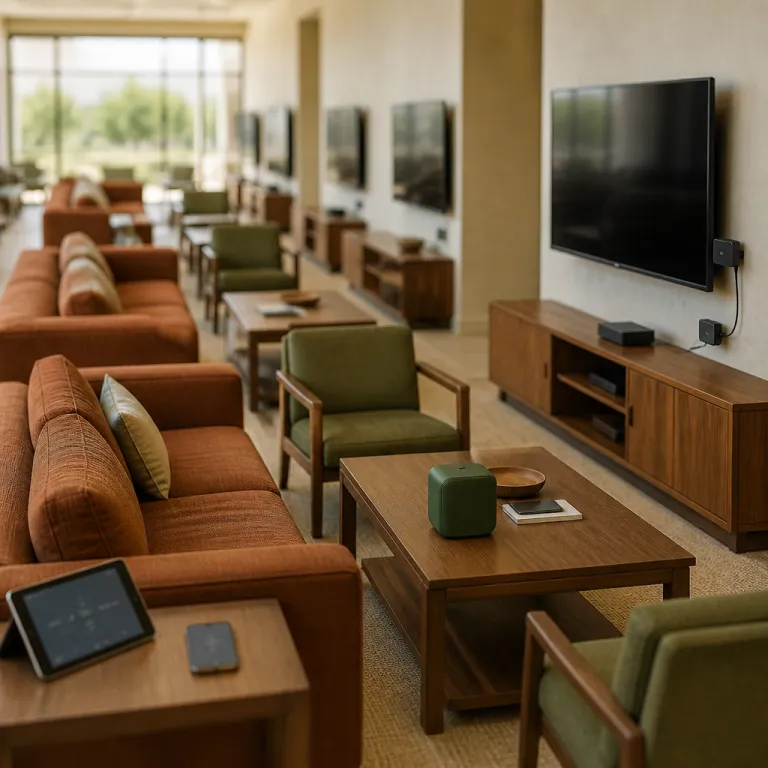
From cable TV to personal streaming hubs in every hotel room
For many hoteliers, the shift from linear TV to casting systems for hospitality has become a strategic priority rather than a gadget upgrade. Guests arrive with powerful devices and rich content libraries, and they now expect the hotel room to behave like a secure extension of their living room. This change forces IT directors and innovation leaders to rethink room entertainment as a cloud managed, data aware layer of the smart room stack.
At its core, a hotel casting platform is a secure bridge that allows guests to stream content from their own devices to the in room TV without sharing personal credentials with the hotel. The official definition used by several providers is explicit: “What is a hotel casting system? Allows guests to stream personal content to in-room TVs.” This simple promise hides a complex mix of Wi Fi engineering, device isolation, identity management, and integration with existing hospitality technology platforms.
Cloud based casting solutions now sit alongside PMS, IPTV, and Wi Fi management systems as critical infrastructure. These in room streaming platforms must support thousands of services and apps while keeping devices on hotel networks segmented and compliant with privacy regulations. For IT leaders, the question is no longer whether to offer casting streaming capabilities, but how to select a casting solution that scales across hundreds of rooms and multiple hotels.
Why guests value casting more than traditional entertainment options
Guest satisfaction around entertainment experience has shifted from channel variety to control and familiarity. When a casting solution allows guests to cast Netflix, YouTube, or local streaming services from their own devices, the perceived value of the hotel room increases immediately. In many properties, surveys now show that the ability to stream content securely ranks above premium linear channels in terms of guest experience impact.
For frequent travellers, the friction of entering additional logins on a shared TV interface is a major deterrent. Casting systems for hospitality remove this barrier by letting the guest authenticate only on their personal smartphone or tablet, then cast content to the screen with a single tap. This approach also reduces the operational risk for hoteliers, because credentials never transit through the hotel TV middleware or local servers.
Hotels that position themselves as casting hotels are effectively signalling that they understand the digital habits of connected guests. The entertainment experience becomes a continuum from home to hotel, supported by familiar devices such as Chromecast or Google Chromecast compatible hardware. When the room entertainment layer respects privacy, performs reliably, and offers casting streaming without complex pairing steps, it directly reinforces brand perception and long term loyalty.
Architecting casting systems as a pillar of IoT and smart hotels
In smart hotels, casting systems for hospitality are no longer isolated gadgets; they are IoT endpoints that must integrate with the broader digital architecture. Each Chromecast or equivalent casting device is another node on the network, generating data points about usage, preferences, and performance. For CTOs, this means that casting solutions must be designed with the same rigor as any other critical hospitality technology service.
Modern hotel casting deployments typically combine cloud based management platforms, on premise gateways, and secure Wi Fi segmentation. Centralized dashboards provide device management, firmware updates, and monitoring of casting systems across multiple hotels. This architecture allows IT teams to manage thousands of devices hotel wide, while maintaining strict isolation between each room and each guest device.
When casting systems are treated as part of the IoT backbone, they can interact with other smart room components such as lighting, HVAC, and voice assistants. A smart room scenario might automatically power on the TV with a personalized welcome screen that promotes available streaming services and explains how the casting solution works. For a deeper dive into how set top box platforms and casting integrate into IoT and smart hotels, many technology leaders analyse case studies such as how Enseo set top box platforms are reshaping IoT smart hotels.
Network, security, and data privacy foundations
Robust casting systems for hospitality depend on three non negotiable pillars: strong Wi Fi, clear pairing flows, and strict data privacy. Device isolation ensures that guests in one hotel room cannot see or cast to TVs in neighbouring rooms, even when using the same SSID. QR code pairing and secure Wi Fi authentication allow guests to connect quickly while keeping the underlying network topology invisible.
From a compliance perspective, casting solutions must ensure that no personal content, watch history, or streaming credentials are stored on the TV or in hotel systems. This is where cloud based casting streaming architectures, combined with Google approved implementations such as NevayaCast or STAYCAST, provide a clear advantage. They offload sensitive processes to trusted platforms while giving hoteliers granular control over device status, uptime, and service availability.
For innovation leaders, the KPI framework around casting systems should include guest satisfaction scores, support ticket volume, Wi Fi performance metrics, and adoption rates of streaming services. When these indicators are tracked across multiple hotels, management can correlate investments in casting solutions with measurable improvements in guest experience and operational efficiency. This data driven approach turns room entertainment from a cost centre into a lever for differentiation and higher average daily rate.
Designing frictionless casting journeys for every type of guest
Even the most advanced casting systems for hospitality fail if the guest journey is confusing. A well designed hotel casting experience starts before the guest reaches the room, with clear messaging in the booking path and pre arrival emails. Once in the hotel room, instructions on the TV, on tent cards, or within the mobile app must explain in simple language how the casting solution allows guests to stream content securely.
Leading providers have converged on a few best practices for casting streaming user flows. QR code pairing displayed on the TV is now common, because it lets guests connect their devices without navigating complex menus or entering room numbers. When the guest scans the code, a secure link associates their device with that specific room entertainment endpoint, and the system automatically forgets the association at checkout.
Accessibility and inclusivity also matter in the design of casting systems for hospitality. Instructions should be available in multiple languages, with visual cues that help non technical guests understand how to cast from their favourite streaming services. For a detailed look at how Chromecast based deployments enhance smart room entertainment for connected guests, many IT leaders refer to analyses such as how Chromecast hospitality is redefining smart room entertainment for connected guests.
Reducing friction while protecting privacy
One of the main advantages of casting systems for hospitality is the elimination of additional logins on shared screens. Guests authenticate only on their personal devices, which means the hotel never touches their streaming credentials. This design significantly reduces the risk of data breaches linked to entertainment systems and reassures privacy conscious travellers.
To maintain trust, hoteliers must ensure that every cast session ends cleanly at checkout or when the guest leaves the Wi Fi network. Cloud dashboards allow real time monitoring of active sessions and automatic resets of devices hotel wide. When combined with PMS integration, the casting solution can trigger a full device reset as part of the room management workflow.
Clear communication is essential to convert these technical safeguards into perceived value. On screen messages should state explicitly that the casting systems do not store personal content and that the entertainment options are limited to what the guest chooses to stream content from their own devices. This transparency transforms the entertainment experience into a trust building moment rather than a potential privacy concern.
Vendor landscape and selection criteria for casting systems
The market for casting systems for hospitality has matured rapidly, with several specialized providers now serving hotels of all sizes. While features vary, most platforms combine secure casting hardware, cloud based orchestration, and integrations with existing hospitality technology stacks.
| Provider | Flagship casting solution | Positioning and strengths |
|---|---|---|
| Hotcast | Hotcast cloud casting app | Focuses on a cloud based casting app for hospitality TVs with centralized management. |
| OnlyCast | OnlyCast hotel casting | Dedicated provider of casting systems for hotels, emphasizing ease of deployment. |
| Hibox | Castgate | In room entertainment platform that combines IPTV and casting in a single interface. |
| Arantia | ArantiaCast | Prioritises high quality streaming performance for hospitality environments. |
| Enseo | NevayaCast | Google approved casting solution integrated with Enseo set top box platforms. |
| Intelity | Intelity casting | Extends the Intelity guest experience platform with casting tied to mobile apps and tablets. |
| SONIFI | STAYCAST | Widely deployed casting solution in large hotel chains, supporting thousands of apps. |
When evaluating casting solutions, IT directors should build a scorecard that covers network requirements, device management capabilities, integration options, and support models. Key questions include whether the casting systems support both Chromecast and other casting devices, how they handle device isolation, and what analytics they provide on guest usage. The right casting solution will align with the hotel’s broader hospitality technology roadmap, including plans for smart room automation, AI driven personalization, and next generation IPTV.
Total cost of ownership and ROI considerations
Calculating the ROI of casting systems for hospitality requires looking beyond hardware costs. Many hotels offset investments in casting solutions by reducing or eliminating expensive linear TV packages and premium channel subscriptions. The shift from traditional room entertainment to streaming services can generate significant savings over the duration of multi year contracts.
Operationally, centralized management of casting devices reduces on site maintenance and truck rolls. Cloud dashboards allow technical teams to diagnose issues remotely, push firmware updates, and monitor uptime across all casting hotels in a portfolio. In one full service property with roughly 300 rooms, for example, consolidating casting device management into a single cloud console reduced monthly on site technician visits by an estimated 25%, while guest feedback scores for in room entertainment improved by several points on post stay surveys.
On the revenue side, improved guest satisfaction scores linked to entertainment experience can support higher average daily rates and better online reviews. When casting systems are integrated with CRM and loyalty platforms, anonymized usage data can inform content partnerships or targeted offers without compromising privacy. For investors and innovation leaders, these combined effects make casting systems a strategic component of the digital guest journey rather than a discretionary amenity.
AI, personalization, and the future of casting in hospitality
As AI capabilities spread across hospitality technology stacks, casting systems for hospitality are becoming valuable data touchpoints. While respecting privacy constraints, aggregated usage patterns from casting solutions can reveal which streaming services matter most to specific segments or regions. This insight helps hoteliers prioritize network capacity, negotiate content partnerships, and tailor in room messaging.
In the near term, AI will enhance the management and monitoring of casting systems rather than the casting streaming experience itself. Predictive analytics can flag devices hotel wide that are likely to fail, optimize Wi Fi configurations for heavy streaming periods, and correlate guest satisfaction scores with entertainment usage. These capabilities turn casting systems into sensors that inform broader smart room and IoT strategies.
For content and marketing teams, the rise of AI also changes how hotels communicate about digital amenities such as hotel casting. Articles and product pages must be written for both human readers and AI systems that summarise and recommend information, as explored in analyses of how hotel marketing needs to adapt to AI that reads. Clear, factual descriptions of casting systems, room entertainment capabilities, and streaming services support both search visibility and guest understanding.
From passive screens to intelligent in room platforms
Looking ahead, the TV in a hotel room will function less as a passive display and more as an intelligent interface. Casting systems for hospitality will coexist with native apps, voice control, and personalized dashboards that surface relevant services. The cast action itself may become just one of several ways a guest interacts with content, room controls, and hotel services.
To prepare for this evolution, hoteliers should prioritise open architectures and APIs when selecting casting solutions. Platforms that integrate cleanly with PMS, CRM, mobile apps, and building management systems will be better positioned to support AI driven use cases. These might include context aware recommendations for entertainment options, dynamic bandwidth allocation for streaming services, or automated troubleshooting when a cast fails.
Crucially, the human element of guest experience must remain central as technology advances. Casting systems should enhance the feeling of control, comfort, and privacy rather than overwhelming guests with complexity. By aligning AI, IoT, and casting streaming strategies around clear guest centric outcomes, hotels can transform room entertainment into a signature element of their brand promise.
Operational best practices for deploying casting at scale
Successful rollouts of casting systems for hospitality share a few operational patterns. First, network readiness assessments are non negotiable, because streaming content reliably in every hotel room requires robust Wi Fi coverage and sufficient backhaul. Second, pilot phases in a limited number of rooms or hotels allow IT teams to validate device behaviour, guest adoption, and support processes before scaling.
Training front office, housekeeping, and technical services teams is equally important. Staff must understand how the casting solution works, what to explain to guests, and how to escalate issues to remote support. Clear internal documentation, combined with simple guest facing guides, reduces friction and ensures that casting streaming capabilities translate into real improvements in guest satisfaction.
Finally, continuous monitoring and iteration keep casting systems aligned with evolving guest expectations and streaming services ecosystems. Providers regularly update firmware to support new devices and apps, and hotels should plan maintenance windows accordingly. When casting systems are treated as living digital services rather than one off installations, they remain a competitive asset throughout their lifecycle.
Aligning casting with brand standards and multi property portfolios
For groups operating multiple hotels, standardising on a limited set of casting solutions simplifies governance and support. Brand standards can specify minimum requirements for casting systems for hospitality, including support for Google Chromecast, QR code pairing, and cloud based management. This consistency ensures that guests receive a predictable entertainment experience across all casting hotels in the portfolio.
Centralised procurement and vendor management also improve pricing and service levels. By aggregating demand for casting devices and services, corporate teams can negotiate better terms and ensure that SLAs cover critical aspects such as uptime, response times, and security updates. Shared analytics across properties then provide a holistic view of how guests use room entertainment and streaming services in different markets.
As brands refine these standards, they should leave room for local adaptation, especially in regions where specific streaming services dominate. Casting systems that are flexible enough to support both global and local content ecosystems will deliver the most relevant entertainment options. In this way, casting becomes a bridge between global brand consistency and local guest expectations, anchored in robust hospitality technology foundations.
Key figures and benchmarks for casting systems in hospitality
- Industry case studies from major vendors indicate that more than 500 000 hotel rooms are equipped with modern casting systems, illustrating how quickly casting solutions have moved from pilot projects to mainstream infrastructure in hospitality. These figures are typically vendor reported estimates rather than audited market totals.
- Leading platforms now support over 5 000 streaming apps and services, ensuring that guests can stream content from both global brands and regional providers without compatibility issues. Again, these numbers are based on provider documentation and marketing materials.
- Hotels that replace premium linear TV packages with casting and streaming services often report double digit percentage reductions in entertainment content costs over the duration of multi year contracts, according to internal business cases shared by operators.
- Guest satisfaction surveys in properties with robust casting systems frequently show significant uplifts in scores related to in room entertainment experience, which correlate with higher online review ratings and improved loyalty. Some brands attribute several points of Net Promoter Score improvement partly to upgraded room entertainment.
- In many smart room deployments, casting devices represent one of the largest categories of connected endpoints, sometimes accounting for more than 30 % of all IoT devices hotel wide, which underscores the need for strong network and security management. These proportions are typically derived from vendor and operator network inventories.
FAQ about casting systems for hospitality
What is a hotel casting system and how does it work ?
A hotel casting system is a secure platform that allows guests to stream content from their own devices to the in room TV without sharing credentials with the hotel. Technically, it uses devices such as Chromecast or similar hardware connected to each TV, combined with Wi Fi segmentation and cloud management. Guests typically connect via QR code or Wi Fi pairing, and the system automatically disassociates their devices at checkout.
Why are casting systems important in hotels ?
Casting systems are important because they align hotel room entertainment with how guests consume content at home. They meet modern expectations for streaming services, on demand viewing, and control over personal content. As one reference states explicitly: “Why are casting systems important in hotels? They meet modern guest entertainment expectations.”
How do guests connect their devices to hotel casting systems ?
Guests usually connect to hotel casting systems by scanning a QR code displayed on the TV or by joining a dedicated Wi Fi network that links their device to the room. The pairing process associates the guest device with a specific TV while maintaining device isolation from other rooms. As providers explain in their documentation: “How do guests connect to hotel casting systems? Typically via QR code or Wi-Fi pairing.”
What security and privacy protections do casting systems provide ?
Modern casting systems for hospitality are designed so that streaming credentials never pass through hotel servers or TV interfaces. Guests log in only on their own devices, and the casting solution simply relays encrypted streams to the TV. Cloud based management and automatic device resets at checkout ensure that no personal data or content remains accessible in the room after departure.
How should hotels choose between different casting solution providers ?
Hotels should compare providers based on network requirements, device management tools, integration capabilities, and support models. Evaluating vendors such as Hotcast, OnlyCast, Hibox, Arantia, Enseo, Intelity, and SONIFI involves testing how well their casting systems perform under real guest loads and how easily they integrate with existing PMS, Wi Fi, and IPTV platforms. A structured scorecard that includes guest satisfaction impact, operational complexity, and total cost of ownership helps IT leaders select the most suitable casting solution.
