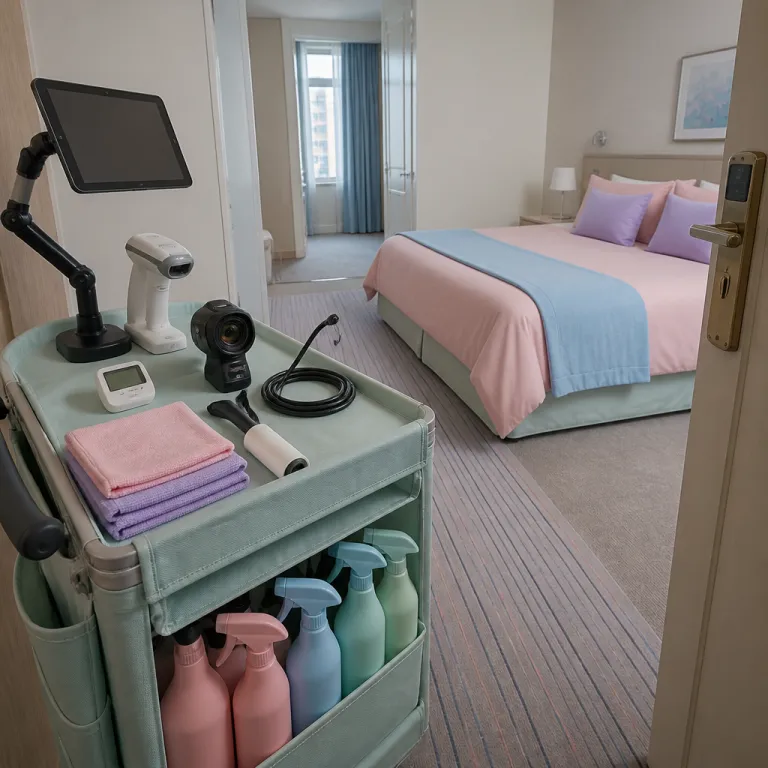
From manual room inspection to AI hotel housekeeping inspection at scale
Housekeeping leaders know that a manual room inspection process rarely keeps up with real occupancy volatility. When AI hotel housekeeping inspection enters the workflow, the same équipe can run consistent checks on every hotel room without adding supervisor time or extra layers of audit. That shift turns quality control from a sampling exercise into a real time operational standard that actually matches your brand promise.
The core idea is simple: capture a structured photo set of each room type right after housekeeping finishes, then let computer vision models run the housekeeping inspection instead of a rushed supervisor. These models evaluate cleanliness, amenity placement, visible damage, missing items and even subtle brand standard deviations that a tired inspector would miss at the end of a long turnover day. The result is an inspection layer that is both more rigorous and less intrusive for the guest, because issues are caught before arrival rather than during a frustrated call to the front desk.
Vendors such as ProofSight, InspectIQ, Tenatur, PropVu and Maintainspect now offer an app based approach where room inspections are triggered from the PMS as soon as a work order for cleaning is closed. The housekeeper or a runner walks the hotel room with a guided app that prompts specific photos and checks, while the AI engine performs damage detection and cleanliness scoring in the background. For multi property hotels and asset light brand portfolios, this creates a comparable housekeeping audit dataset across locations, which finally lets corporate operations benchmark inspection performance instead of relying on anecdotal guest feedback.
How computer vision room inspections actually work on the floor
Under the hood, AI hotel housekeeping inspection relies on a mix of computer vision models and workflow logic tightly integrated with your PMS and maintenance stack. The system starts with a defined template per room type that specifies which angles, surfaces and items must appear in each inspection photo sequence. That template encodes your brand standard in pixels, not in a three page PDF checklist that nobody reads during peak checkout time.
Once the housekeeper completes cleaning, they open the inspection app, which guides them through a series of camera views for the hotel room and bathroom. Each image is uploaded to a cloud analysis engine where computer vision models run object detection, surface cleanliness assessment, damage detection and missing items checks in real time. The same engine can also flag damage–missing correlations, such as a broken lamp plus a missing remote, which often indicate a guest incident that should trigger a maintenance work order and possibly a chargeback review.
Several vendors report internal pilot results in the range of roughly 98% model precision/recall on labeled inspection images and around 60% faster room readiness compared with traditional spot checks. These figures are vendor reported, typically referring to the share of defects correctly identified by the AI versus human auditors, and the reduction in average minutes from “cleaning complete” to “room ready for sale” on the specific pilot datasets and properties involved. While numbers vary by property and vendor, the pattern is consistent: automated inspections raise consistency and efficiency. For a GM or CTO, the more interesting part is how these automated checks connect to downstream systems such as maintenance, inventory and even revenue protection, as seen in broader AI pricing and claim automation use cases like the AI price matching work at Radisson where automation finally killed the screenshot claim culture.
Where AI fits in the housekeeping workflow and PMS architecture
For AI hotel housekeeping inspection to deliver ROI, it must sit cleanly inside the existing housekeeping and maintenance workflow, not as a parallel app that the équipe forgets after two weeks. The most effective deployments trigger a room inspection automatically when a cleaning task is marked complete in the PMS or housekeeping system. That event opens a short window where the room is empty, the hotel housekeeping team is still nearby and any corrective action can be executed before the next guest arrives.
In a typical flow, the housekeeper finishes the room, taps “complete” in the housekeeping app and immediately receives a prompt to start the AI powered room inspection. They follow a guided path of photos and checks, while the system runs quality control in real time and returns a pass or fail result within seconds. If the inspection fails, the app can either route the room back to the same attendant for corrective action or escalate to a supervisor, who reviews annotated images instead of walking the entire floor and wasting supervisor time on rooms that are already compliant.
Integration depth matters here: the AI engine should update room status in the PMS, open maintenance work orders when damage is detected and log every housekeeping audit result for later analysis. Over time, this creates a structured dataset of room inspections by room type, floor, shift and even individual attendant, which can be correlated with guest complaint patterns and NPS scores. For GMs already exploring voice AI for guest service or automated hotel processes across the journey, computer vision in housekeeping becomes another node in a broader AI powered operations architecture rather than a one off gadget.
Quality consistency, labor economics and the real ROI story
Most GMs do not need another dashboard; they need fewer re cleans, fewer late checkouts caused by inspection delays and fewer refunds for cleanliness failures. AI hotel housekeeping inspection addresses all three by compressing inspection time while raising the standard of checks performed on every hotel room. When every departure room passes through the same objective lens, the variance between different hotels, shifts and outsourced housekeeping équipes finally starts to shrink.
From a labor perspective, the key win is not replacing people but reallocating supervisor time from routine room inspections to coaching and exception handling. Instead of walking ten rooms to find two with issues, supervisors review AI flagged images, approve or reject suggested corrective action and focus their floor presence where it matters. That shift reduces the total minutes spent per inspection while increasing the number of rooms that actually receive a documented housekeeping inspection, which is the opposite of what happens when staffing is tight and checklists quietly disappear.
On the cost side, fewer missed damages and missing items mean more accurate work orders and better recovery of damage related revenue, especially in extended stay or high turnover properties. Consistent cleanliness and brand standard compliance also reduce the hidden cost of negative reviews, service recovery gestures and shortened stays. For owners and investors, the ROI case increasingly resembles other automation plays in hospitality operations, where a one time integration and modest per room fee unlocks measurable gains in guest satisfaction, staff productivity and asset protection over the full life cycle of the hotel. Typical pilot KPIs include re clean rate per 100 departures, average time to “room ready,” percentage of inspections completed, work order capture and recovery rate on damage related charges.
Privacy, vendor landscape and how to run a smart pilot
Any GM considering AI hotel housekeeping inspection will face immediate questions from staff and owners about privacy, surveillance and data retention. The right answer starts with a clear policy: images are captured only when the room is empty, used solely for quality control and maintenance purposes and retained for a defined time window before secure deletion. Transparent communication with the housekeeping équipe and unions, where present, is essential to position computer vision as a tool for support and training rather than a hidden camera for disciplinary action.
On the vendor side, the landscape spans hospitality specialists like ProofSight, broader property inspection platforms such as InspectIQ, Tenatur and PropVu, and building focused tools like Maintainspect that are moving into hotels. When evaluating options, GMs and CTOs should look beyond demo accuracy and focus on PMS integration, maintenance system connectivity, mobile app usability and the ability to configure brand standard rules per room type. A strong partner will also provide clear controls over where images are stored, how long they are kept and how damage detection events translate into structured work orders instead of email noise.
The most effective way to de risk adoption is a tightly scoped pilot on a limited set of floors or a single hotel, with explicit KPIs around inspection time, re clean rates, guest complaints and damage missing incidents. Start with a few high variance room types, such as suites and connecting rooms, where missing items and layout complexity often defeat manual checklists. Then iterate on templates, thresholds and escalation logic until the AI hotel housekeeping inspection flow feels as natural to the équipe as closing a task in the housekeeping app, and only then scale across the portfolio with confidence. As part of that pilot, define a specific retention period for inspection images (for example, 30–90 days), ensure storage in a secure, access controlled environment with encryption at rest and in transit, and document who can view images and under which circumstances.
FAQ
How does AI improve room inspections compared with manual checklists ?
AI improves room inspections by automating the visual checks that supervisors previously performed manually, using computer vision to evaluate cleanliness, item placement and visible damage. This automation ensures that every hotel room receives the same level of scrutiny, regardless of who cleaned it or what time of day the inspection occurs. As a result, hotels see more consistent brand standard compliance and fewer guest complaints about missed issues.
What are the main benefits of AI in housekeeping for a GM ?
The main benefits of AI in housekeeping include higher inspection accuracy, reduced supervisor time spent on routine room inspections and faster room turnover before check in. GMs also gain better visibility into recurring maintenance issues and damage patterns, because every failed inspection can automatically generate a structured work order. Over time, this leads to lower re clean rates, fewer refunds for cleanliness problems and a more predictable guest experience across the hotel.
Which companies currently offer AI room inspection solutions for hotels ?
Several companies now provide AI powered room inspection platforms that can be adapted to hotels and serviced apartments. ProofSight focuses specifically on hotel housekeeping inspection, while InspectIQ, Tenatur and PropVu bring broader property inspection capabilities that also fit hospitality use cases. Maintainspect, originally a building inspection specialist, is another option for groups that want to connect room inspections with wider maintenance and facility management workflows.
How should hotels address privacy concerns when using room imaging for inspections ?
Hotels should implement strict policies that limit image capture to empty rooms, define clear retention periods and restrict access to inspection photos to relevant operations and maintenance managers. Communicating these rules transparently to housekeeping équipes and documenting them in internal policies helps avoid the perception of covert employee monitoring. Some hotels also choose to blur personal items when present or to disable imaging entirely once a guest has checked in, further reducing privacy risks.
What integration points matter most when deploying AI hotel housekeeping inspection ?
The most critical integration points are the PMS or housekeeping system, which triggers inspections and updates room status, and the maintenance platform, which receives work orders when damage or defects are detected. Integration with analytics tools is also valuable, because it allows GMs to correlate inspection results with guest satisfaction scores and operational KPIs. A well integrated setup turns AI inspections into a continuous feedback loop rather than a standalone app that sits outside daily hotel operations.