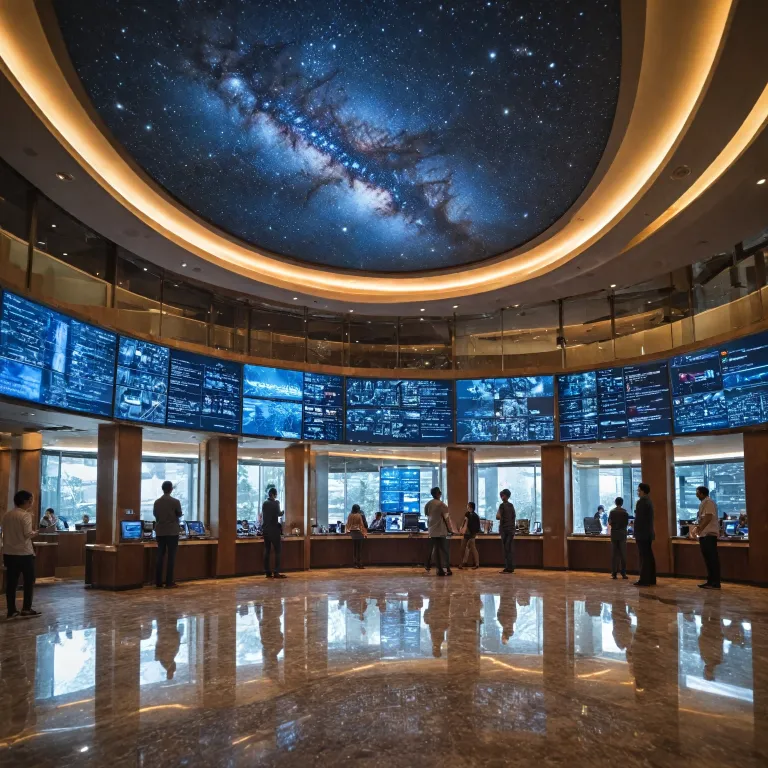
Leveraging big data analytics for operational efficiency in the hospitality industry
Big data analytics has become a cornerstone for hotels seeking to improve operational efficiency and streamline management processes. The hospitality industry faces persistent challenges such as fluctuating demand, diverse customer expectations, and the need for real-time decision making. By integrating data analytics into daily operations, hotels can analyze vast amounts of hotel data to identify trends, optimize staffing, and enhance resource allocation. For example, Marriott International utilizes predictive analytics to adjust staffing levels during peak booking periods, resulting in increased staff productivity and reduced labor costs. This approach enables hotels to respond dynamically to market shifts, ensuring that both guest experiences and operational efficiency are prioritized. Data hospitality platforms now aggregate information from multiple sources, including social media, guest feedback, and IoT sensors, allowing management to make informed decisions. Real-time data analysis supports rapid adjustments in services and pricing strategies, which is critical for maintaining competitiveness in the hotel industry. As more hotels adopt analytics hospitality tools, the ability to monitor and improve key performance indicators becomes a strategic advantage. The use of big data in hospitality not only improves operational efficiency but also sets the foundation for innovative business models and services.Personalizing guest experiences through advanced data analysis and machine learning
Personalization has emerged as a defining trend in the hospitality industry, with hotels using big data analytics to tailor services to individual guest preferences. Machine learning algorithms process customer data from booking histories, loyalty programs, and social media interactions to predict guest needs and deliver targeted marketing campaigns. Four Seasons Hotels and Resorts applies these techniques to analyze customer preferences, leading to a significant rise in bookings from targeted ads. This level of personalization enhances the overall customer experience and increases guest satisfaction. Hotels are now able to offer bespoke services, from customized room amenities to curated local experiences, by leveraging data analysis and real-time insights. The integration of data analytics into customer relationship management systems allows for continuous improvement in guest experiences. As a result, hotels can anticipate guest requirements, address issues proactively, and foster long-term loyalty. For more on how technology is shaping guest interactions, explore this resource on digital transformation in hospitality.Optimizing revenue management and pricing strategies with analytics hospitality
Revenue management has been revolutionized by the adoption of big data analytics in the hotel industry. Dynamic pricing models, powered by real-time data and predictive analytics, enable hotels to adjust room rates based on demand, competition, and market trends. Hilton Hotels & Resorts employs real-time analytics to track guest behavior patterns, allowing for dynamic pricing strategies that increase revenue per available room. This data-driven approach to pricing strategies ensures that hotels maximize profitability while maintaining competitive rates. AI-driven revenue management systems analyze historical booking data, seasonal trends, and external factors to recommend optimal pricing. The integration of machine learning enhances the accuracy of these models, enabling hotels to respond swiftly to market changes. According to recent statistics, there has been a 12% increase in hotel revenue due to AI-driven revenue management systems. For a deeper dive into revenue optimization, visit our guide on hotel revenue management best practices. The continuous evolution of analytics hospitality tools empowers hotels to refine their pricing strategies and drive sustainable business growth.Enhancing marketing effectiveness with targeted campaigns and social media analysis
Marketing in the hospitality industry has been transformed by the use of big data analytics, enabling hotels to create highly targeted campaigns that resonate with specific customer segments. Data analysis of guest behaviors, preferences, and feedback allows hotels to design marketing strategies that are both personalized and effective. Big data enables the identification of emerging trends, helping hotels to stay ahead of the competition and adapt their services accordingly. Social media platforms provide a wealth of real-time data that can be leveraged for targeted marketing. By analyzing social media interactions, hotels gain insights into guest sentiment, preferences, and potential areas for improvement. This information is used to refine marketing messages and improve customer engagement. As a result, hotels can allocate marketing resources more efficiently and achieve higher returns on investment.Integrating IoT and predictive maintenance for improved guest services
The integration of Internet of Things (IoT) devices and predictive maintenance strategies is elevating the standard of guest services in the hospitality industry. IoT sensors collect real-time data on equipment performance, energy usage, and environmental conditions, enabling hotels to anticipate maintenance needs and prevent equipment failures. "Predictive maintenance uses data from IoT sensors to anticipate equipment failures, reducing downtime and maintenance costs." This proactive approach not only improves operational efficiency but also ensures a seamless guest experience. Hotels are leveraging big data analytics to monitor and manage their facilities more effectively. Predictive analytics enables management to schedule maintenance during low occupancy periods, minimizing disruptions to guests. The result is improved guest satisfaction, reduced operational costs, and enhanced asset longevity. As hotels continue to invest in data-driven solutions, the integration of IoT and predictive maintenance will become increasingly central to delivering high-quality services and optimizing business performance.Real-world examples and future trends in data-driven hospitality management
Several leading hotel chains exemplify the successful application of big data analytics in the hospitality industry. AccorHotels implemented a centralized data system to gather insights from guest feedback, enhancing overall satisfaction scores. Wyndham Hotels & Resorts modernized its data architecture to improve guest insights, resulting in faster data processing and improved data quality. These real examples demonstrate the tangible benefits of data analytics in improving guest experiences and operational efficiency. The future of the hotel industry lies in the continued integration of advanced analytics, machine learning, and real-time data processing. As more hotels adopt these technologies, the focus will shift towards even greater personalization, predictive capabilities, and data-driven decision making. "Dynamic pricing models allow hotels to adjust room rates in real-time based on demand, competition, and other factors, optimizing revenue." The hospitality industry is poised to benefit from ongoing innovation in data hospitality, analytics hospitality, and revenue management, ensuring sustained growth and enhanced guest experiences.Key statistics on hotels using big data analytics
- 12% increase in hotel revenue due to AI-driven revenue management systems
- 45% of hotels utilize big data analytics for operational decision-making
- 65% of hotel operators believe digital tools have increased their revenue potential
Frequently asked questions about hotels using big data analytics
How do hotels use big data analytics to enhance guest experiences?
Hotels analyze customer data to personalize services, tailor marketing campaigns, and anticipate guest needs, leading to improved satisfaction.
What are the benefits of dynamic pricing models in the hotel industry?
Dynamic pricing models allow hotels to adjust room rates in real-time based on demand, competition, and other factors, optimizing revenue.
How does predictive maintenance benefit hotels?
Predictive maintenance uses data from IoT sensors to anticipate equipment failures, reducing downtime and maintenance costs.
Trustful sources for further reading
- www.marriott.com
- www.fourseasons.com
- group.accor.com
