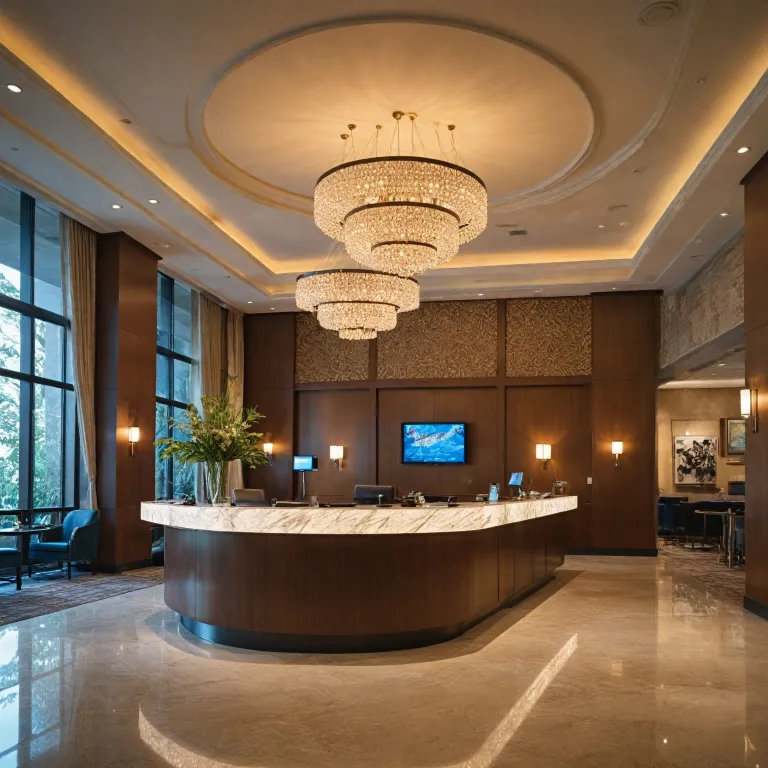
Transforming guest rooms: the rise of smart hotel environments
Smart hotel environments are reshaping the expectations of guests in luxury hotels. The integration of high tech systems, such as voice-activated assistants and in-room tablets, allows guests to control lighting, temperature, and entertainment with ease. In five star hotels with cutting edge tech, guest rooms are equipped with advanced automation, providing a seamless and personalized experience for each guest. Hotels like Aria Resort and Casino in the United States exemplify this trend, offering rooms with sophisticated automation and LEED Gold-certified sustainability. The Eccleston Square Hotel in London pushes the boundaries further, featuring smart glass bathroom walls and tablets that manage room settings. These innovations not only enhance comfort but also position hotels as leaders in the hospitality industry, appealing to tech-savvy travelers seeking futuristic experiences. Lighting temperature and mood lighting are now standard in luxury hotels, allowing guests to tailor their environment to their preferences. The use of artificial intelligence in guest rooms enables hotels to anticipate needs, streamline services, and deliver a truly personalized stay. As more hotels adopt edge technology, the guest experience becomes increasingly immersive and intuitive, setting new standards for luxury hospitality.Personalized luxury: artificial intelligence and guest experience in high tech hotels
Artificial intelligence is at the heart of the guest experience in five star hotels with cutting edge tech. AI-driven systems analyze guest preferences, enabling hotels to offer tailored recommendations and services. This level of personalization transforms the way guests interact with their environment, from smart room controls to curated amenities. Luxury hotels such as Morpheus Hotel in Macau and Lake Nona Wave Hotel in the United States have embraced AI to deliver bespoke experiences. Guests can adjust lighting, temperature, and entertainment through intuitive interfaces, while AI algorithms suggest dining options or activities based on previous stays. The result is a guest experience that feels both exclusive and effortless. Incorporating AI also streamlines operations at the front desk, reducing wait times and enhancing service efficiency. Hotels leverage data from guest interactions to refine their offerings, ensuring that each stay exceeds expectations. As the adoption of artificial intelligence grows, the distinction between high tech hotels and traditional establishments becomes increasingly pronounced, with the former setting new benchmarks for luxury and innovation. Explore more about AI-driven hospitality solutions to understand how technology is shaping the future of guest experience.Futuristic design: integrating edge technology into luxury hotel architecture
The architecture of five star hotels with cutting edge tech is evolving to accommodate advanced technologies and create visually stunning environments. Hotels like Morpheus Hotel feature free-form exoskeleton designs that not only impress aesthetically but also support integrated tech systems. These architectural innovations enable seamless connectivity and enhance the overall guest experience. In the United States, Lake Nona Wave Hotel incorporates smart windows and voice-automated controls, blending functionality with modern design. The use of edge technology in building infrastructure allows for real-time monitoring of energy usage, optimizing lighting temperature and climate control in guest rooms. This commitment to sustainability aligns with the expectations of discerning guests who value both luxury and environmental responsibility. Luxury hotels are also experimenting with space capsules and futuristic room layouts, offering guests unique and memorable stays. The integration of smart hotel features, such as mood lighting and automated curtains, further elevates the sense of exclusivity. As hotels continue to innovate, the line between hospitality and high tech living becomes increasingly blurred, attracting guests seeking the ultimate in comfort and convenience. Learn more about innovative hotel architecture and how it supports cutting edge guest experiences.Seamless operations: high tech solutions at the front desk and beyond
The front desk remains a focal point for guest interaction, but five star hotels with cutting edge tech are transforming this experience through automation and digital solutions. Mobile check-in, facial recognition, and AI-powered concierge services reduce friction and allow guests to access their rooms with minimal delay. These advancements are particularly evident in smart hotels like Henn Hotel and Virgin Hotels, where technology streamlines every aspect of the guest journey. Cashless payment systems, such as those implemented at Resorts World Las Vegas, enable guests to settle bills using mobile wallets or even cryptocurrency. This not only enhances convenience but also appeals to a global clientele accustomed to digital transactions. The integration of high tech solutions extends to guest rooms, where guests can request services, order room service, or control room features via dedicated apps or voice commands. Hotels are leveraging artificial intelligence to manage guest preferences and anticipate needs, resulting in a more personalized and efficient service. As the hospitality industry in the United States and beyond continues to embrace edge technology, the role of the front desk evolves from a transactional hub to a center for curated guest experiences.Immersive guest experiences: mood lighting, smart controls, and futuristic amenities
Immersive guest experiences are a hallmark of five star hotels with cutting edge tech. Mood lighting and adjustable lighting temperature allow guests to create the perfect ambiance in their rooms, whether for relaxation or productivity. Smart controls extend to entertainment systems, climate, and even window opacity, giving guests unprecedented control over their environment. Luxury hotels such as Blow Hall, Puerta America, and Kameha Grand have set new standards by offering rooms with futuristic amenities. Space capsules and themed guest rooms provide unique experiences that differentiate these hotels from competitors. The use of artificial intelligence ensures that each guest's preferences are remembered and applied, enhancing comfort and satisfaction. The guest experience is further enriched by seamless integration of technology throughout the hotel, from public spaces to private rooms. Guests can interact with smart hotel features using natural language, making technology feel like an extension of the hospitality experience. As hotels continue to innovate, the boundary between luxury and technology becomes increasingly fluid, appealing to guests who value both sophistication and convenience.Data-driven innovation: measuring the impact of technology on guest satisfaction
Data-driven innovation is central to the success of five star hotels with cutting edge tech. By analyzing guest feedback and operational metrics, hotels can identify areas for improvement and refine their offerings. According to Hospitality Technology's Lodging Technology Study, 35% of hotels have adopted smart room technologies, reflecting a significant shift towards high tech solutions. The impact on guest satisfaction is clear, with J.D. Power's North America Hotel Guest Satisfaction Index Study reporting a 20% increase in satisfaction scores due to in-room technology. These statistics underscore the value of investing in edge technology and artificial intelligence to enhance the guest experience. As hotels collect and analyze data from guest interactions, they can personalize services, optimize operations, and strengthen their brand reputation. It is important for guests to be aware of data privacy policies and have the option to disable certain features if desired. As stated in the dataset, "While these technologies offer convenience, guests should be aware of data privacy policies and have the option to disable certain features if desired." The future of luxury hospitality lies in the intelligent use of technology to create memorable, personalized, and secure experiences for every guest.Key statistics: technology adoption and guest satisfaction in luxury hotels
- 35% of hotels have adopted smart room technologies (Hospitality Technology's Lodging Technology Study).
- Guest satisfaction scores have increased by 20% due to in-room technology (J.D. Power North America Hotel Guest Satisfaction Index Study).
Frequently asked questions about cutting edge tech in 5 star hotels
What are some examples of cutting-edge technologies in luxury hotels?
Examples include in-room tablets for controlling lighting and temperature, smart glass for privacy, voice-activated assistants, and cashless payment systems.
How do technological advancements in hotels enhance guest experiences?
They provide greater convenience, personalized settings, and streamlined services, leading to increased comfort and satisfaction.
Are there any privacy concerns with the use of advanced technologies in hotel rooms?
While these technologies offer convenience, guests should be aware of data privacy policies and have the option to disable certain features if desired.
Trusted sources for further reading on hotel technology innovation
- https://www.forbes.com
- https://en.wikipedia.org/wiki/Aria_Resort_and_Casino
- https://en.wikipedia.org/wiki/Eccleston_Square_Hotel
