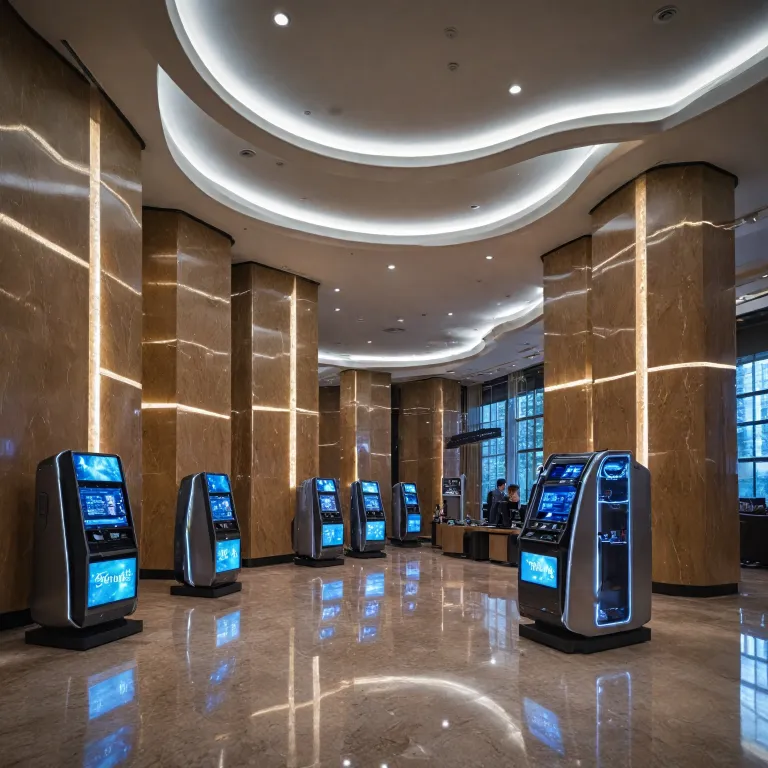
AI-driven personalization: Elevating guest experiences in hospitality
Artificial intelligence in hospitality industry is redefining how hotels and hospitality companies approach guest experiences. By leveraging machine learning and real time data analysis, hotels can anticipate guest preferences, personalize room settings, and tailor service offerings to individual guests. This level of personalization not only enhances guest satisfaction but also strengthens customer loyalty, as guests feel recognized and valued throughout their stay. Hospitality businesses are increasingly using AI-powered virtual assistants and chatbots to provide 24/7 customer service, answering queries and handling requests efficiently. Automated check-in and check-out processes further streamline the guest journey, reducing wait times and improving operational efficiency. The integration of artificial intelligence in hospitality industry operations ensures that every guest interaction is informed by data-driven insights, resulting in seamless, memorable experiences that set hotels apart in a competitive market.
Optimizing revenue management with dynamic pricing and predictive analytics
Revenue management in the hospitality industry has been revolutionized by artificial intelligence and machine learning. Hotels now utilize dynamic pricing strategies, adjusting room rates in real time based on demand, seasonality, and guest data. This approach maximizes revenue while ensuring competitive pricing for guests. Predictive analytics tools help hospitality companies forecast occupancy trends, optimize inventory, and allocate resources efficiently. By analyzing vast amounts of data, AI systems can identify patterns that inform pricing strategies and promotional offers, ultimately driving higher revenue for hospitality businesses. The adoption of AI-powered revenue management solutions enables hotels to respond swiftly to market changes and guest behaviors. For those seeking to deepen their understanding of AI-driven pricing, our guide on dynamic pricing in hospitality provides actionable insights for IT directors and innovation leaders.
Enhancing operational efficiency through automation and intelligent systems
Operational efficiency is a cornerstone of successful hospitality businesses, and artificial intelligence in hospitality industry is a key enabler. AI-driven automation streamlines routine tasks such as room service requests, housekeeping schedules, and maintenance alerts, freeing staff to focus on high-value guest interactions. Machine learning algorithms analyze operational data to optimize workflows, reduce costs, and minimize downtime. Service robots equipped with AI capabilities are increasingly deployed for tasks like delivering amenities or providing concierge assistance, further enhancing the guest experience. Automated check-in and check-out systems reduce bottlenecks at the front desk, improving both guest satisfaction and staff productivity.
Leveraging data management and security for superior customer experience
Effective data management is essential for delivering personalized guest experiences and maintaining trust in the hospitality industry. Artificial intelligence enables hotels to collect, process, and analyze guest data in real time, uncovering insights that drive tailored service and targeted marketing. However, the increased reliance on data also raises concerns about privacy and security. Hospitality companies must implement robust data management protocols and invest in secure AI platforms to protect sensitive customer information. Machine learning models are used to detect anomalies and prevent data breaches, ensuring compliance with regulatory standards. By prioritizing data security, hotels can build lasting relationships with guests and safeguard their reputation.
AI-powered customer service: Virtual assistants and chatbots in hotels
Customer service is at the heart of the hospitality industry, and artificial intelligence is transforming how hotels engage with guests. AI-powered virtual assistants and chatbots handle routine inquiries, provide local recommendations, and facilitate room service orders, delivering instant support around the clock. This technology not only improves response times but also allows staff to focus on complex guest needs that require a human touch. As one expert notes, "No, AI is intended to augment human staff by handling routine tasks, allowing staff to focus on more complex and personalized guest interactions." The integration of virtual assistants in hospitality businesses enhances guest satisfaction by ensuring that every request is addressed promptly and accurately. Automated check-in systems and AI-driven customer service platforms are becoming standard features in modern hotels, setting new benchmarks for operational efficiency and guest experience. These advancements underscore the importance of balancing automation with personalized service to maintain the unique character of hospitality.
Future trends: The evolving landscape of artificial intelligence in hospitality industry
The future of artificial intelligence in hospitality industry is marked by continuous innovation and expanding applications. Advanced machine learning models will enable even greater personalization, from customized room environments to predictive maintenance that prevents service disruptions. Hospitality companies are exploring new ways to integrate AI into every aspect of operations, from revenue management to guest engagement. As another expert highlights, "The future of AI in hospitality includes more advanced personalization, increased automation of routine tasks, enhanced data-driven decision-making, and continued growth in AI market value within the industry." The adoption of AI-powered solutions is expected to accelerate, driven by the need for operational efficiency and superior guest experiences. Hospitality businesses that invest in artificial intelligence today will be well positioned to lead the industry and exceed evolving guest expectations.
Key statistics on artificial intelligence in hospitality industry
- AI in hospitality market value in 2023: 90 million USD
- Projected AI in hospitality market value by 2033: 8 billion USD
- Annual growth rate of AI in hospitality (2023-2033): 60%
- Percentage of hotel chains expecting AI innovations in next two years (2023): 65%
- Percentage of European accommodation businesses using AI (2023): 11%
Frequently asked questions about artificial intelligence in hospitality industry
Will AI replace human staff in hospitality?
No, AI is intended to augment human staff by handling routine tasks, allowing staff to focus on more complex and personalized guest interactions.
How does AI improve guest experiences in hotels?
AI enhances guest experiences by providing personalized services, such as room preferences, tailored recommendations, and efficient customer service through chatbots.
What are the challenges of implementing AI in hospitality?
Challenges include ensuring data privacy and security, managing data quality, balancing AI automation with human touch, and the initial cost of implementation.
Trustful sources for artificial intelligence in hospitality industry
- www.statista.com
- www.hospitalitynet.org
- www.hotelmanagement.net
