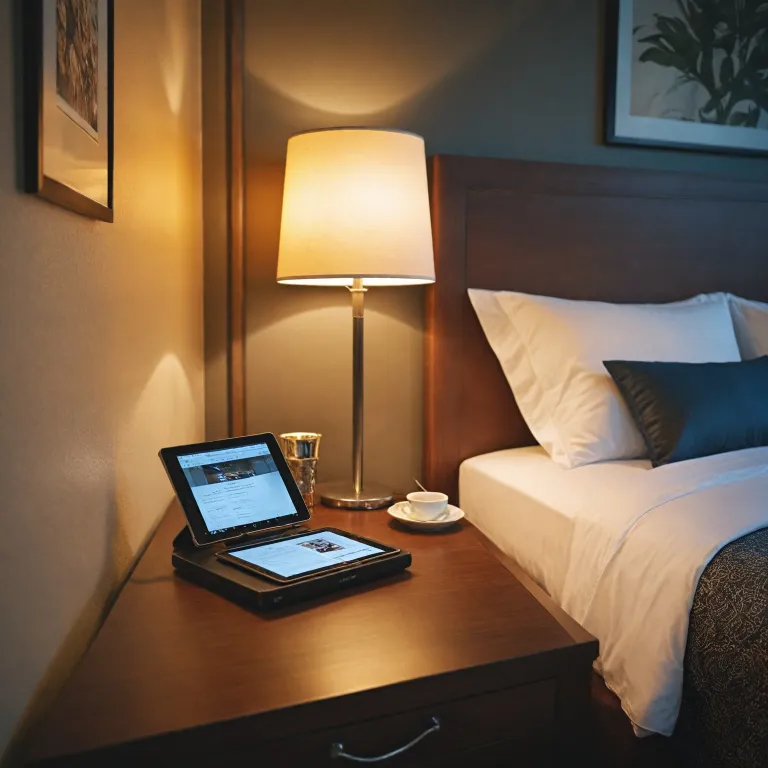
Transforming guest expectations: The evolution of smart room service ordering
Smart room service ordering has redefined how guests interact with hotel services, setting new standards for convenience and efficiency. The shift from traditional paper menus to digital menus and mobile apps has empowered guests to order food, beverages, and amenities directly from their hotel room. With the integration of contactless delivery and real-time updates, guests place orders seamlessly, enhancing both the guest experience and operational management. Hotels adopting smart room service ordering systems leverage QR codes, in-room tablets, and AI chatbots to streamline the entire process. Guests scan QR codes with their mobile devices, instantly accessing digital menus that showcase menu items, pricing, and tailored recommendations. This approach not only meets modern guest expectations but also enables hotels to optimize revenue through upselling and dynamic menu management. The ability to order room dining or request services without physical interaction has become a cornerstone of service quality, especially in response to increased demand for contactless solutions. The hospitality industry’s embrace of smart room service ordering is driven by a commitment to guest satisfaction and operational excellence. As guests order food or amenities via digital platforms, hotel staff can focus on delivering personalized experiences and maintaining high service standards. The adoption of these technologies is transforming dining experiences, making them more intuitive, efficient, and aligned with the needs of today’s travelers.Digital transformation in hotel room dining: Tools and technologies shaping the future
The digitalization of room dining has accelerated with the introduction of advanced tools such as mobile ordering platforms, AI-powered chatbots, and integrated management systems. Hotels now deploy solutions like SORASO by Smart Finder, PRISM Smart Hotel, and Fougito to provide guests with intuitive interfaces for browsing menus, placing orders, and tracking delivery in real time. These platforms support both single and multiple menu items, allowing guests to explore diverse dining experiences from the comfort of their hotel room. Mobile apps and digital menus have become essential for service guests, offering contactless ordering and payment options that align with modern safety standards. The integration of AI chatbots, as seen with Hotelligent.ai, enhances the guest experience by providing instant responses, personalized suggestions, and efficient order management. This not only improves guest satisfaction but also increases the frequency and value of orders, directly impacting hotel revenue. Hotels benefit from streamlined operations and reduced manual errors, as digital systems automate order processing and communication between guests, staff, and kitchen teams. The adoption of contactless delivery and real-time order tracking ensures that guests receive timely updates and high-quality service. For IT directors and innovation leaders, these advancements represent a strategic opportunity to elevate service quality and drive competitive differentiation. For a deeper dive into digital transformation strategies, visit this comprehensive resource on hotel technology innovation.Enhancing operational efficiency and revenue management through smart ordering
Smart room service ordering platforms are revolutionizing hotel operations by automating key processes and enabling data-driven management. With solutions like SmartQRorder and Servier.bar, hotels can manage digital menus, track orders, and monitor guest preferences in real time. This level of visibility allows for precise revenue management, as hotels can adjust menu items, pricing, and promotions based on demand and guest feedback. The use of mobile ordering and contactless delivery reduces the workload on hotel staff, allowing them to focus on high-value interactions and personalized service. By centralizing order room management, hotels can minimize errors, accelerate delivery times, and ensure consistent service quality. The integration of AI-driven analytics further supports decision-making, enabling hotels to identify trends, optimize menu offerings, and enhance the overall dining experience. For CTOs and innovation managers, the ability to leverage digital platforms for operational efficiency is a key differentiator in a competitive market. The adoption of smart room service ordering not only meets guest expectations but also drives incremental revenue through targeted upselling and cross-selling opportunities. Explore more about revenue optimization in hospitality at this expert guide on hotel revenue management.Personalization and guest satisfaction: The role of AI and machine learning
Artificial intelligence and machine learning are at the forefront of delivering personalized dining experiences in hotels. Platforms like Hotelligent.ai and Bodhi utilize AI chatbots to analyze guest preferences, recommend menu items, and facilitate seamless order food processes. This level of personalization enhances guest satisfaction by ensuring that each guest receives tailored suggestions and prompt service. AI-driven digital menus adapt to guest behavior, highlighting popular menu items and offering upsell opportunities based on previous orders. The ability to provide real-time recommendations and updates creates a dynamic interaction between guests and hotel services. As guests place orders through mobile apps or in-room tablets, the system learns and refines its suggestions, continually improving the guest experience. The impact of AI extends beyond guest-facing applications, supporting hotel staff in managing orders, predicting demand, and optimizing inventory. This holistic approach to service management ensures that hotels can deliver high-quality dining experiences while maximizing operational efficiency.Contactless delivery and real-time service: Meeting modern guest expectations
The demand for contactless delivery and real-time service updates has become a defining feature of modern hotel room dining. Guests expect to order food, track delivery, and receive notifications without unnecessary delays or physical contact. Solutions like RoomOrders, Disney Hotel Smart Order, and Sociavore address these needs by providing robust digital platforms that support mobile ordering and instant communication. Contactless delivery not only enhances guest safety but also streamlines the workflow for hotel staff. Orders are transmitted directly from the guest’s mobile device to the kitchen or service team, reducing the risk of errors and ensuring timely fulfillment. Real-time tracking allows guests to monitor the status of their orders, increasing transparency and trust in the service process. Hotels that prioritize contactless and real-time solutions are better positioned to meet evolving guest expectations and differentiate themselves in a crowded market. The integration of digital menus, mobile apps, and automated notifications creates a cohesive and responsive service environment. As a result, guest satisfaction and loyalty are strengthened, driving repeat business and positive reviews.Best practices and future trends in smart room service ordering for hospitality leaders
For IT directors, innovation managers, and hotel CTOs, implementing smart room service ordering requires a strategic approach that balances technology adoption with guest-centric design. Key best practices include selecting scalable platforms, integrating with existing management systems, and prioritizing user-friendly interfaces for both guests and staff. Collaboration with technology providers such as SORASO by Smart Finder, PRISM Smart Hotel, and OnFliQ ensures access to the latest innovations and support. Continuous training and feedback loops are essential for maintaining high service quality and adapting to changing guest expectations. Hotels should leverage data from digital menus and mobile ordering platforms to refine menu items, optimize pricing, and personalize offers. The use of AI and machine learning will continue to expand, enabling deeper insights into guest behavior and more sophisticated service delivery. As the hospitality industry evolves, the focus on smart room service ordering will intensify, with greater emphasis on automation, personalization, and sustainability. Leaders who embrace these trends and invest in robust digital infrastructure will be well-positioned to drive revenue growth, enhance guest experiences, and maintain a competitive edge.Key statistics: The impact of smart room service ordering in hotels
- 45% of hotels have reported a rise in room service demand following the implementation of digital ordering systems.
Frequently asked questions about smart room service ordering
What is smart room service ordering?
Smart room service ordering refers to the use of digital technologies, such as QR codes, in-room tablets, and AI chatbots, to enable hotel guests to place orders for food, beverages, and other services in a contactless and efficient manner.
How do QR code-based ordering systems work in hotels?
Guests scan a QR code provided in their room using their mobile device, which directs them to a digital menu or service platform where they can place orders that are sent directly to the hotel's service team.
What are the benefits of AI chatbots in hotel room service?
AI chatbots can handle orders, provide personalized recommendations based on guest preferences, and offer real-time updates, enhancing the overall guest experience and operational efficiency.
Trusted sources for smart room service ordering in hospitality
- https://www.gobodhi.com/news/taking-room-service-digital
- https://soraso.net/products/web-ordering
- https://www.prismtrio.com/
