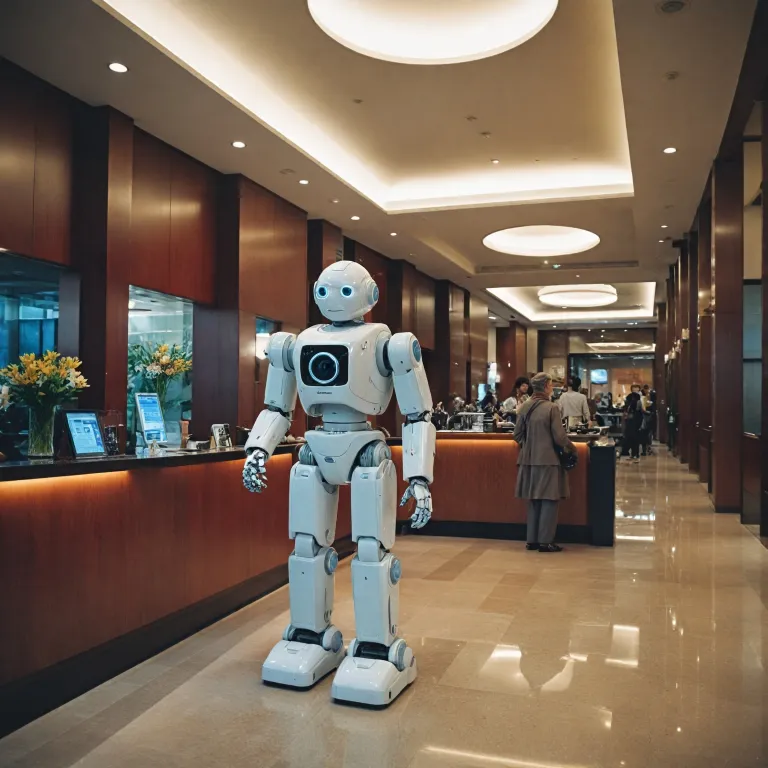
Robot staff hotels in Tokyo: transforming guest experience and operational efficiency
Robot staff hotels in Tokyo have become a symbol of innovation in Japan’s hospitality industry. The Henn na Hotel chain, recognized by Guinness World Records, pioneered this approach by deploying robots for reception, concierge, and cleaning roles. These hotels, including Henn na Hotel Tokyo Ginza, Henn na Hotel Tokyo Hamamatsucho, and Henn na Hotel Maihama, leverage robots to streamline check-in and check-out, reduce operational costs, and enhance hygiene standards. The integration of robots addresses labor shortages and supports business continuity, especially during periods of increased demand or health crises.
Guests at these hotels encounter humanoid robots at the front desk, such as SoftBank Robotics’ Pepper, who can process check-ins, answer questions, and provide directions to rooms or amenities. Cleaning robots like Whiz maintain hygiene in common areas, supporting the hotel’s commitment to safety and efficiency. Themed hotels, such as those near Tokyo Bay or the Huis Ten Bosch park, offer unique experiences that blend technology with entertainment, appealing to both business and leisure travelers. The expansion of robot staff hotels in Tokyo and other cities like Osaka, Hakata, and Kanazawa Korinbo demonstrates the scalability of this model across Japan’s diverse hospitality landscape.
With the Tokyo Metropolitan Government’s support, robots have also been deployed in hotels to assist guests during health emergencies, minimizing human contact and infection risks. This shift has led to a measurable reduction in staff, with Henn na Hotel reporting a decrease of 33 employees due to automation. The adoption of facial recognition for room access further enhances security and convenience, setting a new standard for guest experience in robot staff hotels Tokyo. For IT directors, innovation managers, and CTOs, these advancements present opportunities to rethink traditional hotel operations and guest engagement strategies.
Technological foundations: robotics, AI, and facial recognition in Tokyo hotels
The technological backbone of robot staff hotels Tokyo is built on advanced robotics, artificial intelligence, and biometric authentication. SoftBank Robotics’ Pepper robots, deployed at the front desk in hotels like Henn na Hotel Tokyo Asakusabashi and Henn na Hotel Tokyo Akasaka, are programmed to interact with guests in multiple languages, answer frequently asked questions, and facilitate seamless check-in processes. These robots are equipped with sensors and AI algorithms that enable them to recognize faces, interpret gestures, and respond contextually to guest needs.
Cleaning robots, such as Whiz, operate autonomously to maintain hygiene in high-traffic areas, supporting the hotel’s commitment to safety and operational efficiency. Facial recognition technology, integrated into the check-in and room access process, eliminates the need for physical keys or cards, reducing touchpoints and enhancing security. This technology is now standard in many robot staff hotels Tokyo, including those near Tokyo Haneda, Asakusa Tawaramachi, and Tokyo Ginza.
For IT leaders and travel tech startups, the deployment of these technologies offers valuable insights into system integration, data privacy, and user experience design. The collaboration between hotel operators, robotics manufacturers, and government agencies, such as the Tokyo Metropolitan Government, has accelerated the adoption of these innovations. For a deeper understanding of how robotics and AI are transforming the hospitality sector, explore this comprehensive guide to AI-powered hotel operations.
Operational impacts: cost reduction, labor optimization, and guest satisfaction
Robot staff hotels Tokyo have demonstrated significant operational benefits, particularly in cost reduction and labor optimization. By automating routine tasks at the front desk, in guest rooms, and throughout hotel facilities, these hotels have reduced their reliance on human staff. The Henn na Hotel chain, for example, reported a reduction of 33 employees due to automation, underscoring the tangible impact of robotics on workforce management.
Labor shortages, a persistent challenge in Japan’s hospitality sector, are mitigated by the deployment of robots in roles that require consistency, speed, and reliability. Robots in hotels such as Henn na Hotel Osaka Namba and Henn na Hotel Kanazawa Korinbo handle repetitive tasks, freeing human staff to focus on complex guest needs and personalized service. This hybrid approach ensures that hotels maintain high service standards while optimizing operational costs.
Guest satisfaction is enhanced by the novelty and efficiency of robot interactions. Automated check-in and check-out processes, combined with facial recognition for room access, provide a seamless and secure experience. Themed hotels, such as those near Huis Ten Bosch and Tokyo Bay, use robots to create memorable stays that differentiate them from traditional hotels. For further insights into optimizing hotel operations with robotics, refer to this resource on robotic process automation in hospitality.
Guest journey: from automated check-in to personalized room experiences
The guest journey in robot staff hotels Tokyo begins with an automated check-in at the front desk, where robots greet guests, verify identities, and issue room access credentials using facial recognition. This process, implemented in hotels like Henn na Hotel Tokyo Hamamatsucho and Henn na Hotel Tokyo Asakusabashi, minimizes wait times and enhances privacy. Guests can interact with robots for information about hotel amenities, directions to their rooms, or recommendations for local attractions in Tokyo, Osaka, or Hakata.
Inside the room, guests experience a blend of comfort and technology. Robots may assist with room service, provide entertainment options, or control in-room devices. The integration of IoT and AI enables personalized settings for lighting, temperature, and media, tailored to guest preferences. Themed hotels, such as those near Tokyo Disney Resort or Maihama Tokyo, use robots to create immersive environments that appeal to families and business travelers alike.
Throughout their stay, guests benefit from enhanced hygiene protocols, with cleaning robots ensuring that common areas and guest rooms meet rigorous standards. The use of robots in hotels across Japan, from Tokyo Ginza to Osaka Namba, reflects a commitment to innovation and guest-centric service.
Challenges and opportunities for IT leaders and travel tech innovators
Implementing robot staff hotels Tokyo presents both challenges and opportunities for IT directors, innovation managers, and travel tech startups. System integration, data security, and interoperability are critical considerations when deploying robotics and AI in hotel environments. Ensuring that robots, facial recognition systems, and IoT devices communicate seamlessly requires robust IT infrastructure and ongoing maintenance.
Data privacy is paramount, particularly when handling biometric information for check-in and room access. Hotels must comply with local regulations and implement best practices for data protection. The partnership between hotel operators, technology providers like SoftBank Robotics, and government agencies, such as the Tokyo Metropolitan Government, has been instrumental in establishing standards and protocols for safe and effective deployment.
For startups and software vendors, the expansion of robot staff hotels Tokyo offers opportunities to develop new solutions for guest engagement, operational analytics, and predictive maintenance. The success of Henn na Hotel and its expansion to locations like Tokyo Bay, Kansai Airport, and Hakata demonstrates the market potential for innovative hospitality technologies. As one expert notes, “In Tokyo hotels, robots serve as receptionists, concierges, and cleaners, enhancing operational efficiency and reducing human contact.”
Future outlook: scaling robot staff hotels across Japan and beyond
The future of robot staff hotels Tokyo is shaped by ongoing advancements in robotics, AI, and guest experience design. The Henn na Hotel chain continues to expand, with nine hotels across Japan and plans for further growth in cities like Osaka, Kanazawa Korinbo, and Hakata. The integration of robots in hotels is expected to become more sophisticated, with enhanced natural language processing, emotion recognition, and adaptive learning capabilities.
As hotels adopt more advanced technologies, the role of human staff will evolve to focus on complex problem-solving, personalized service, and guest relationship management. The hybrid model, combining robots and humans, ensures resilience and flexibility in hotel operations. The use of robots in themed hotels, such as those near Huis Ten Bosch and Tokyo Disney Resort, highlights the potential for creative and immersive guest experiences.
For IT leaders, innovation managers, and investors, the success of robot staff hotels Tokyo provides a blueprint for digital transformation in hospitality. The lessons learned from Japan’s experience can inform global strategies for automation, guest engagement, and operational excellence. “Henn na Hotel is a Japanese hotel chain recognized as the world’s first hotel staffed by robots, offering a unique and futuristic hospitality experience.”
Key statistics: robot staff hotels Tokyo and their impact
- Number of Henn na Hotels in Japan: 9 hotels
- Reduction in staff due to automation at Henn na Hotel: 33 employees
Frequently asked questions about robot staff hotels Tokyo
What roles do robots play in Tokyo hotels?
In Tokyo hotels, robots serve as receptionists, concierges, and cleaners, enhancing operational efficiency and reducing human contact.
Why are robots used in Tokyo hotels?
Robots are used in Tokyo hotels to address labor shortages, improve efficiency, reduce infection risks, and provide unique guest experiences.
How do guests interact with robots in these hotels?
Guests interact with robots during check-in and check-out processes, for information and concierge services, and may encounter cleaning robots in common areas.
