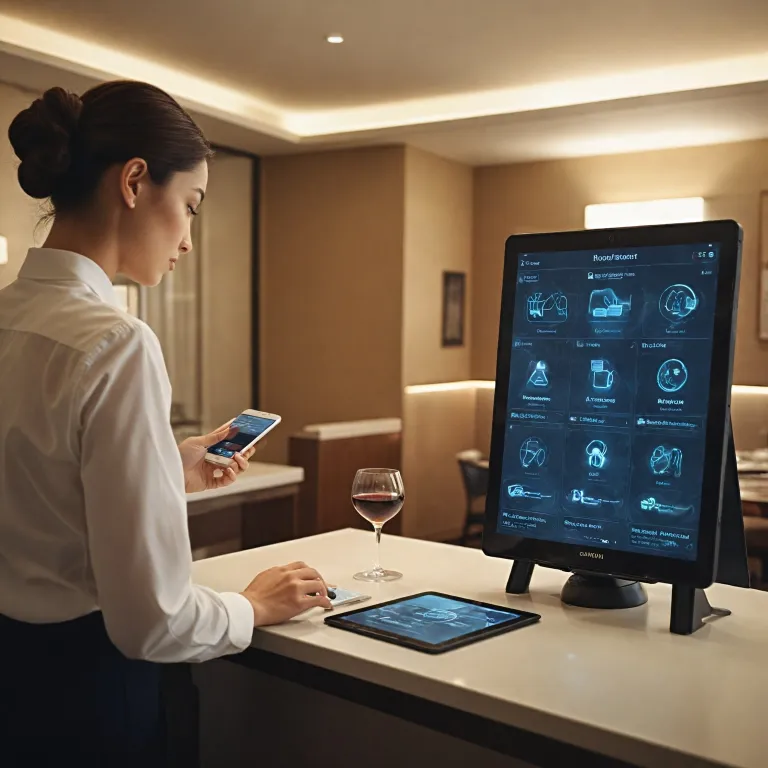
From guest app to hospitality platform: redefining the mobile core
The hospitality industry mobile application has moved from nice-to-have gadget to strategic core of hotel operations. For hotel guests, a well designed mobile app now concentrates every key service, from booking to room access, while hotels orchestrate data, staff workflows, and revenue levers behind the scenes. This shift forces hospitality leaders to treat mobile apps as long term platforms rather than isolated digital tools.
In this new architecture, the guest app becomes the primary guest facing interface, while PMS, CRM, and channel manager systems act as the transactional backbone. Hospitality mobile strategies must therefore align mobile apps with existing operations, ensuring that every check, service request, and payment flows in real time across systems. When this alignment works, the hospitality app stops being a marketing gadget and becomes a serious management asset.
For Directeurs IT and CTOs, the challenge is to balance guest experience ambitions with operational resilience and security. Mobile apps must support mobile check, mobile key, and in app communication without compromising data protection or staff productivity. At the same time, hotels need flexible APIs to connect the mobile app with front desk, housekeeping, and revenue management tools.
Hotel operators increasingly see mobile apps hospitality ecosystems as a way to enhance both guest experiences and internal efficiency. A single hospitality industry mobile application can centralize guest communication, automate service requests, and provide analytics on guest satisfaction trends. As adoption grows, the gap widens between hotels that treat the guest app as a strategic asset and those that still rely on fragmented digital touchpoints.
Designing guest facing journeys that enhance experience and satisfaction
Designing a hospitality industry mobile application starts with mapping the full guest journey, not with listing features. Guests expect a mobile app that supports them before arrival, during the stay, and after departure, with consistent service quality across each phase. When hotels design around guest experiences instead of internal silos, the guest app becomes a natural extension of the brand.
Before arrival, mobile apps should simplify booking confirmation, pre check preferences, and mobile check in, while keeping communication clear and human. During the stay, the hospitality app must make every essential action effortless, from opening the room door to submitting service requests or chatting with staff in real time. After departure, the same app can sustain guest communication through feedback, loyalty offers, and contextual promotions that feel relevant rather than intrusive.
“Mobile applications enhance guest experiences by offering services like mobile check-in/check-out, personalized recommendations, and contactless room access, leading to increased customer satisfaction and operational efficiency.” This quote captures why guest facing journeys must be coherent, intuitive, and measurable. For example, linking mobile check with digital keys and contactless payment, as detailed in analyses of the impact of contactless payment in Paris hotels, reduces friction at the front desk and frees staff for higher value interactions.
IT leaders should define KPIs around guest satisfaction, adoption rates of mobile apps, and time saved in operations. By correlating app usage data with NPS and review scores, hotels can quantify how specific mobile features influence guest experience and revenue. Over time, this evidence based approach helps refine the hospitality mobile roadmap and justify further investment in AI driven personalization.
AI, data, and real time intelligence in hospitality mobile ecosystems
Artificial intelligence turns the hospitality industry mobile application into a learning system that adapts to each guest. With 72 % of travelers willing to share data for personalized experiences, hotels can responsibly use behavioral and preference data to tailor offers, content, and service timing. The key is to embed AI into mobile apps as invisible intelligence that enhances guest experience without feeling intrusive.
On the operational side, AI powered mobile apps can predict service requests, optimize staff allocation, and surface anomalies in real time. For instance, if many guests in a specific room category repeatedly request extra pillows via the guest app, the system can suggest proactive adjustments to housekeeping operations. Similarly, sentiment analysis on guest communication streams helps management detect dissatisfaction early and trigger recovery actions before negative reviews appear.
Data governance remains central, as hospitality mobile strategies must comply with privacy regulations while still enabling meaningful analytics. IT directors should define clear data models that connect the mobile app, PMS, CRM, and channel manager, ensuring that guest profiles stay consistent across all touchpoints. When data flows correctly, mobile apps hospitality platforms can power dynamic pricing, targeted upselling, and context aware messaging that supports revenue growth.
AI also strengthens staff tools embedded in mobile apps, from predictive maintenance alerts to smart routing of service requests between departments. By giving front desk and operations teams mobile access to consolidated data, hotels streamline operations and reduce manual checks. Over time, this combination of AI, real time data, and mobile interfaces becomes a competitive differentiator in the hospitality industry.
Integrating mobile apps with hotel operations and staff workflows
The true value of a hospitality industry mobile application emerges when it is tightly integrated with hotel operations. A guest app that promises instant responses but is disconnected from staff tools will quickly damage guest satisfaction. To avoid this, hotels must design end to end workflows where every guest facing action in the mobile app triggers a clear internal process.
For example, when guests submit service requests through the hospitality app, the task should automatically route to the right staff member with priority, location, and SLA information. Housekeeping, maintenance, and front desk teams need mobile tools that present these tasks in real time, with status updates visible both internally and in the guest app. This transparency enhances guest communication, reduces repeated calls, and supports consistent service quality across all rooms and hotels.
Front desk operations also benefit from deep integration between mobile apps and core systems. Mobile check in and mobile check out must synchronize with the PMS, payment gateway, and digital key provider to avoid errors that frustrate guests. When staff can monitor mobile check flows and intervene when needed, the hotel maintains control while still enhancing guest autonomy.
IT and innovation leaders should involve staff early when designing mobile apps hospitality workflows. By co creating processes with the équipe on the ground, hotels ensure that digital tools support rather than overload operations. Over time, this collaborative approach helps streamline operations, reduce training time for new staff, and align the hospitality mobile roadmap with real operational constraints.
Monetization, revenue strategy, and new guest experiences
A mature hospitality industry mobile application is also a revenue engine, not just a service channel. Mobile apps can support direct bookings, targeted upselling, and ancillary sales, while preserving a guest centric approach that respects preferences and context. When designed carefully, these revenue streams enhance guest experiences instead of feeling like aggressive cross selling.
Hotels can use the guest app to propose room upgrades, late check out, or curated experiences at relevant moments in the stay. By leveraging data on past behavior and current context, the hospitality app can prioritize offers with the highest probability of acceptance and satisfaction. This approach increases revenue per available room while reinforcing the perception of personalized service among guests.
Mobile apps hospitality platforms also open new monetization models around partnerships, from local attractions to mobility services. By integrating these offers into the mobile app journey, hotels extend their value proposition beyond the room and position themselves as holistic travel companions. For investors and startups, this ecosystem view of hospitality mobile strategy creates opportunities for B2B integrations and revenue sharing models.
Content rich features, such as advanced casting and in room entertainment accessible via the guest app, further differentiate the guest experience. Detailed analyses of advanced hotel TV casting solutions show how digital services can increase both satisfaction and ancillary revenue. When these services are orchestrated through a single mobile app, hotels gain a coherent platform to test, measure, and scale new guest experiences across properties.
Governance, metrics, and roadmap for hospitality mobile success
To sustain a hospitality industry mobile application over time, hotels need clear governance and measurable objectives. A cross functional steering group should align IT, operations, marketing, and finance around shared KPIs for guest experience, adoption, and revenue. Without this structure, mobile apps risk becoming fragmented projects rather than strategic assets for the hospitality industry.
Key metrics include mobile app downloads, active users, completion rates for mobile check in, and usage of core features such as service requests or chat. Hotels should also track correlations between mobile apps usage and guest satisfaction scores, repeat bookings, and ancillary revenue. With 70 % of hospitality executives already reporting that digital transformation has improved guest experience, robust measurement frameworks help refine investments and prioritize new features.
From a risk perspective, governance must cover security, uptime, and incident response for all mobile tools. IT leaders should define standards for API integrations, authentication, and data encryption, ensuring that the guest app and staff apps meet both regulatory and brand requirements. Regular audits of operations, from front desk workflows to channel manager synchronization, reduce the likelihood of failures that could damage trust.
Finally, the hospitality mobile roadmap should remain flexible enough to integrate emerging technologies such as new AI models or IoT devices. By treating the mobile app as a living platform, hotels can continuously enhance guest experiences, streamline operations, and adapt to evolving expectations. For investors and startups, this long term perspective signals which hotels are ready to partner on innovative apps hospitality solutions at scale.
Key statistics shaping hospitality industry mobile application strategies
- 45 % of hotel guests prefer mobile check in and check out services, indicating strong demand for streamlined front desk experiences through mobile apps.
- 65 % of travelers use smartphones for travel planning, reinforcing the strategic importance of every hospitality app in the discovery and booking phases.
- 85 % of hotel bookings are influenced by online reviews and ratings, which mobile apps can help improve through better guest communication and service recovery.
- 72 % of travelers are willing to share data for personalized experiences, creating clear opportunities for AI driven guest experience within hospitality mobile ecosystems.
- 52 % of hotels have implemented automated messaging or chatbots for customer service, often integrated directly into the guest app or broader mobile apps hospitality platforms.
- 70 % of hospitality executives believe digital transformation has improved guest experience, validating continued investment in mobile app centric operations and management tools.
- 80 % of travelers use digital maps during trips, which can be integrated into the hospitality industry mobile application to support contextual, location based services.
- 65 % of guests prefer personalized digital offers during their stay, confirming the revenue potential of well executed, data informed mobile app journeys.
Frequently asked questions about hospitality industry mobile applications
What are the benefits of mobile applications in the hospitality industry ?
Mobile applications enhance guest experiences by offering services like mobile check-in/check-out, personalized recommendations, and contactless room access, leading to increased customer satisfaction and operational efficiency. For hotels, a robust hospitality app centralizes guest communication, reduces pressure on the front desk, and streamlines operations across departments. Over time, this combination of better service and lower friction supports higher revenue and stronger loyalty.
How has the adoption of mobile technology impacted hotel bookings ?
The adoption of mobile technology has significantly increased hotel bookings, with projections indicating that 80% of hotel bookings will be made via mobile devices by 2025. This trend pushes hotels to optimize both their mobile app and mobile web experiences to capture direct demand. It also reinforces the role of the hospitality industry mobile application as a key channel for managing the full guest lifecycle.
What features do guests prefer in hotel mobile applications ?
Guests prefer features such as mobile check-in/check-out, in-app concierge services, personalized offers, and mobile key access for a seamless and contactless experience. They also value clear guest communication, fast responses to service requests, and the ability to manage room preferences directly in the app. When these features are integrated into a single hospitality app, the overall guest experience becomes more fluid and predictable.
How do mobile apps support hotel operations and staff efficiency ?
Mobile apps connect guest facing actions with internal workflows, routing service requests to the right staff in real time. Front desk, housekeeping, and maintenance teams can use staff apps to track tasks, update statuses, and coordinate across floors and buildings. This reduces manual checks, shortens response times, and helps management monitor operations through clear, data driven dashboards.
What role does AI play in hospitality mobile applications ?
AI enables mobile apps to personalize content, offers, and timing based on guest data and behavior. It can also analyze communication patterns, predict service demand, and support dynamic pricing strategies that increase revenue without harming guest satisfaction. For IT and innovation leaders, integrating AI into the hospitality industry mobile application is becoming a central lever for differentiation and long term competitiveness.
