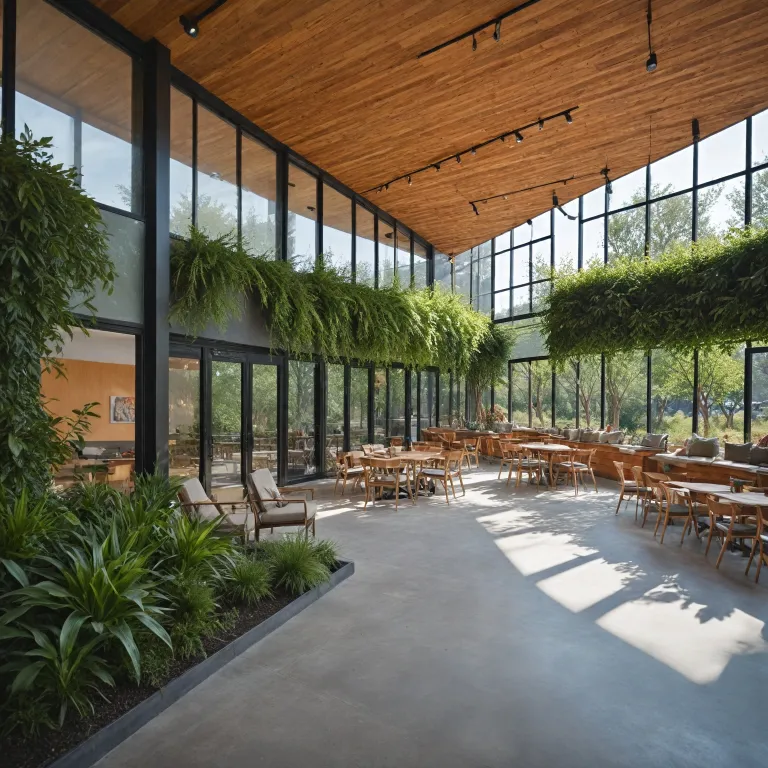
Eco-conscious hotel solutions as a strategic pillar for IT and innovation leaders
Eco-conscious hotel solutions have moved from marketing slogan to core strategic lever. For IT directors and innovation leaders, the sustainable hotel is now a data driven infrastructure project that touches energy, water, waste and guest experience. In this context, sustainable practices become a framework for rethinking systems architecture, procurement and long term asset value.
The hospitality industry generates around 1 % of global CO2 emissions, so every hotel that optimizes energy and water consumption contributes to measurable environmental impact. Eco conscious strategies require integrated systems that connect building management, energy management and guest facing applications into one smart stack. When these systems are aligned, hotels can reduce operational costs while elevating the perception of friendly accommodations among increasingly demanding guests.
Travelers are clearly signaling their expectations for eco friendly and friendly hotels that demonstrate authentic sustainability. Many guests now select green hotels based on visible sustainable practices such as renewable energy sourcing, water conservation programs and transparent reporting on plastic waste and food waste. This shift in sustainable travel preferences is pushing hotel operators, software vendors and travel tech startups to embed sustainability by design into every new solution.
For CTOs, eco-conscious hotel solutions are not only about green labels but about robust, scalable technology that supports hotel sustainability at portfolio level. Smart sensors, AI powered analytics and interoperable APIs allow each hotel to track energy water performance in real time and benchmark properties across regions. In parallel, environmental organizations act as advisors, helping the hospitality industry align digital innovation with credible sustainable hospitality standards.
From smart systems to sustainable practices powered by AI
Artificial intelligence is becoming the orchestration layer that turns isolated green initiatives into coherent eco-conscious hotel solutions. Smart algorithms can predict occupancy, adjust HVAC systems and optimize lighting to improve energy efficiency without compromising guest comfort. When integrated with property management and building systems, these tools enable each hotel to reduce energy peaks and align consumption with actual demand.
AI driven energy management platforms help hotels model different sustainability scenarios and quantify environmental impact in kilowatt hours, litres of water and kilograms of waste. By correlating guest profiles, booking patterns and local climate data, these systems can propose sustainable practices that are both operationally realistic and financially attractive. This is where IT directors can demonstrate clear ROI by linking sustainability KPIs to reduced utility bills and extended equipment life.
Smart water conservation technologies, such as connected meters and leak detection sensors, feed data into central systems that alert maintenance teams before issues escalate. In parallel, AI can analyse patterns of plastic waste and food waste across restaurants and banqueting operations, suggesting menu adjustments or new friendly hotels partnerships with local suppliers. These eco friendly optimizations are particularly powerful when combined with contactless and mobile payment journeys that already capture rich behavioral data about guests.
For innovation teams exploring digital guest journeys, integrating sustainable travel nudges into apps and kiosks is becoming standard practice. A good example is linking eco-conscious choices to loyalty benefits, such as points for refusing single use water bottles or choosing green housekeeping options. As payment and check in flows become more seamless, especially with advanced contactless payment experiences in urban hotels, there is a unique opportunity to embed sustainability prompts at the exact decision moment.
Energy, water and waste intelligence as a new data layer for hotels
For CTOs and software editors, eco-conscious hotel solutions start with reliable data on energy, water and waste. Without granular telemetry, it is impossible to manage energy efficiency, water conservation or waste reduction at scale across multiple hotels. Modern hospitality systems therefore need a dedicated sustainability data layer that aggregates information from meters, sensors and operational platforms.
Energy management tools can now ingest real time data from smart thermostats, HVAC controllers and lighting systems to calculate the environmental impact of each zone in a hotel. When combined with occupancy data, this allows hotels to reduce unnecessary consumption while maintaining guest comfort in rooms, lobbies and meeting spaces. Similar approaches apply to water, where connected fixtures and submeters provide visibility on leaks, abnormal usage and opportunities to reduce consumption without compromising hygiene.
Waste analytics platforms are emerging as a critical component of sustainable hospitality, especially for food waste and plastic waste streams. By tracking what leaves kitchens, buffets and minibars, hotels can adjust procurement, menu design and portion sizes to reduce waste and support local suppliers. These eco-conscious hotel solutions also help quantify the benefits of reducing plastic through refillable amenities, bulk dispensers and the elimination of single use water bottles.
For friendly accommodations that want to position themselves as green hotels, transparent dashboards are becoming a key communication tool. Guests increasingly expect to see how their stay contributes to hotel sustainability, from renewable energy usage to eco friendly housekeeping practices. IT leaders who integrate these dashboards into mobile apps or in room tablets can turn raw sustainability data into a compelling narrative that reinforces the hotel’s eco conscious brand.
Guest centric design of eco-conscious journeys in smart hotels
Eco-conscious hotel solutions succeed only when guests understand, accept and value the sustainable practices behind them. Hospitality leaders therefore need to design guest journeys where eco friendly choices feel intuitive, convenient and aligned with premium service. This requires close collaboration between hotel operators, UX designers and technology partners to ensure that systems support, rather than constrain, guest freedom.
In rooms, smart interfaces can present guests with clear options to reduce energy and water usage without feeling pressured. For example, tablets or apps can show real time feedback on energy water consumption, explaining how small adjustments contribute to lower environmental impact. When guests see that friendly hotels are investing in renewable energy and advanced insulation, they are more likely to participate in sustainability programs voluntarily.
Public areas offer further opportunities to integrate eco-conscious hotel solutions into the fabric of the experience. Digital signage can highlight sustainable hospitality initiatives such as partnerships with local producers, green cleaning practices or campaigns for reducing plastic. Linking these messages to tangible actions, like refilling reusable water bottles at filtered stations, helps guests internalize the value of eco conscious behavior.
AI powered personalization can also tailor sustainability prompts based on guest profiles, length of stay and purpose of travel. Business travelers might receive suggestions on sustainable travel options to and from the hotel, while leisure guests could be guided toward eco friendly local experiences. Integrating these recommendations with content about advanced strategies to improve air quality in hotel lobbies reinforces the perception that the hospitality industry is serious about health, comfort and sustainability.
Operational transformation and partnerships for sustainable hospitality at scale
Implementing eco-conscious hotel solutions at portfolio level requires more than isolated pilots or marketing campaigns. Hotel operators must embed sustainable practices into procurement, maintenance, training and vendor selection, supported by robust systems and clear governance. This operational transformation is where IT directors and innovation leaders can align technology roadmaps with long term sustainability objectives.
Partnerships with environmental organizations provide frameworks and certifications that validate hotel sustainability claims. These advisors help define standards for energy efficiency, water conservation, waste reduction and overall environmental impact across different types of hotels. By aligning digital reporting tools with these frameworks, the hospitality industry can present consistent, auditable data to investors, regulators and eco conscious travelers.
Local suppliers play a crucial role in sustainable hospitality by shortening supply chains and reducing transport related emissions. Friendly accommodations that source food, amenities and services locally not only support communities but also reduce waste and plastic packaging. Smart procurement systems can track the sustainability profile of each supplier, enabling hotels to prioritize partners that align with eco friendly and green hotels objectives.
Training programs for staff are essential to ensure that sustainable practices are applied consistently in every hotel. From housekeeping teams managing water and energy usage to F&B teams tackling food waste, employees need clear guidelines and digital tools that make eco conscious choices the default. As one industry insight notes, “Common practices include using energy-efficient appliances, water-saving fixtures, offering refillable bathroom products, and sourcing food locally.”
Investment, risk and opportunity in eco-conscious hotel technology
For investors and travel tech startups, eco-conscious hotel solutions represent a rapidly expanding market with strong fundamentals. The growing preference of travelers for eco friendly hotels and friendly accommodations is driving demand for technologies that reduce environmental impact while enhancing guest satisfaction. This convergence of sustainability and experience is reshaping how capital is allocated across the hospitality industry.
Energy management, water conservation and waste analytics platforms are emerging as core components of the hotel tech stack. Solutions that can demonstrate measurable improvements in energy efficiency, reduced water usage and lower waste volumes are particularly attractive to asset owners. By integrating with existing systems, these platforms help hotels reduce operating costs while strengthening their eco conscious positioning in sustainable travel segments.
Investors are also paying attention to technologies that address plastic waste and food waste, especially in large urban and resort hotels. Startups offering alternatives to single use plastic, smart inventory systems or AI driven menu optimization can help hotels reduce waste and improve margins simultaneously. These innovations support broader goals of reducing plastic and aligning hotel sustainability strategies with global environmental expectations.
Risk management is another important dimension, as regulations on energy, water and waste tighten across many jurisdictions. Hotels that invest early in eco-conscious hotel solutions, renewable energy integration and green hotels certifications are better positioned to adapt to future requirements. For CTOs and innovation leaders, building flexible, interoperable systems today will make it easier to incorporate new sustainable practices and technologies as they mature.
Metrics, reporting and the future of intelligent eco-conscious hotels
As eco-conscious hotel solutions mature, robust metrics and transparent reporting will determine which strategies scale across the hospitality industry. IT leaders must define clear KPIs for energy, water, waste and guest engagement, supported by systems that capture accurate, real time data. These metrics allow hotels to benchmark performance, justify investments and communicate progress to guests, staff and investors.
Dashboards that present energy management results, water conservation achievements and reductions in plastic waste can be shared across hotel teams. When employees see the impact of their sustainable practices, from food waste reduction to eco friendly housekeeping, they are more likely to maintain high standards. Guests also respond positively when friendly hotels share concise, visually clear information about their environmental impact and hotel sustainability commitments.
Looking ahead, the most advanced eco-conscious hotel solutions will combine AI, IoT and renewable energy into self optimizing systems. These intelligent hotels will continuously adjust operations to reduce energy water consumption while maintaining or improving guest comfort. At the same time, they will integrate local partnerships, sustainable travel options and green hotels certifications into a coherent brand narrative.
For Directeurs IT, responsables innovation, CTO hôteliers, startups travel tech, éditeurs logiciels and tech investors, the message is clear. Eco conscious and eco friendly strategies are no longer optional add ons but central to competitive advantage in sustainable hospitality. Those who build flexible, data rich systems today will shape the next generation of hotels that are truly sustainable, guest centric and operationally resilient.
Key statistics on eco-conscious hotel solutions
- Approximately 80 % of travelers now prefer eco friendly accommodations when choosing hotels.
- Sustainable practices in hotels can generate up to 20 % reduction in energy costs.
- The global market for eco friendly hotel products is projected to reach 4.4 billion USD in the near term.
Frequently asked questions about eco-conscious hotel solutions
What are common eco-conscious practices in hotels today ?
Common eco-conscious practices in hotels include deploying energy efficient appliances, installing water saving fixtures and implementing structured waste reduction programs. Many hotels now use refillable bathroom product dispensers to reduce plastic waste and support broader sustainable hospitality goals. Sourcing food locally and prioritizing renewable energy contracts are also becoming standard in green hotels.
How do sustainable practices benefit hotel operations and profitability ?
Sustainable practices help hotels reduce energy and water bills, lower waste disposal costs and extend asset lifecycles. These efficiencies directly improve operating margins while also enhancing brand reputation among eco conscious guests. Over time, hotels that invest in eco-conscious hotel solutions often see higher guest satisfaction and stronger loyalty metrics.
Are travelers really willing to pay more for eco friendly hotels ?
Multiple studies indicate that a significant share of travelers is willing to pay a premium for friendly accommodations that demonstrate credible sustainability. This willingness is particularly strong among younger segments and corporate clients with ESG commitments. Hotels that communicate their environmental impact transparently tend to capture this demand more effectively.
Which technologies are most impactful for reducing a hotel’s environmental footprint ?
The most impactful technologies include AI enabled energy management systems, smart water meters and waste analytics platforms. Together, these tools give hotels precise control over energy, water and waste, enabling targeted sustainable practices. When integrated with guest facing apps, they also support behavioral nudges that further reduce environmental impact.
How can smaller independent hotels adopt eco-conscious solutions without large budgets ?
Independent hotels can start with low cost measures such as LED lighting, low flow fixtures and structured recycling to reduce waste. Gradually, they can add modular systems like smart thermostats or cloud based energy monitoring that do not require heavy upfront investment. Partnering with local suppliers and environmental organizations can also provide guidance and credibility for their sustainable travel positioning.
