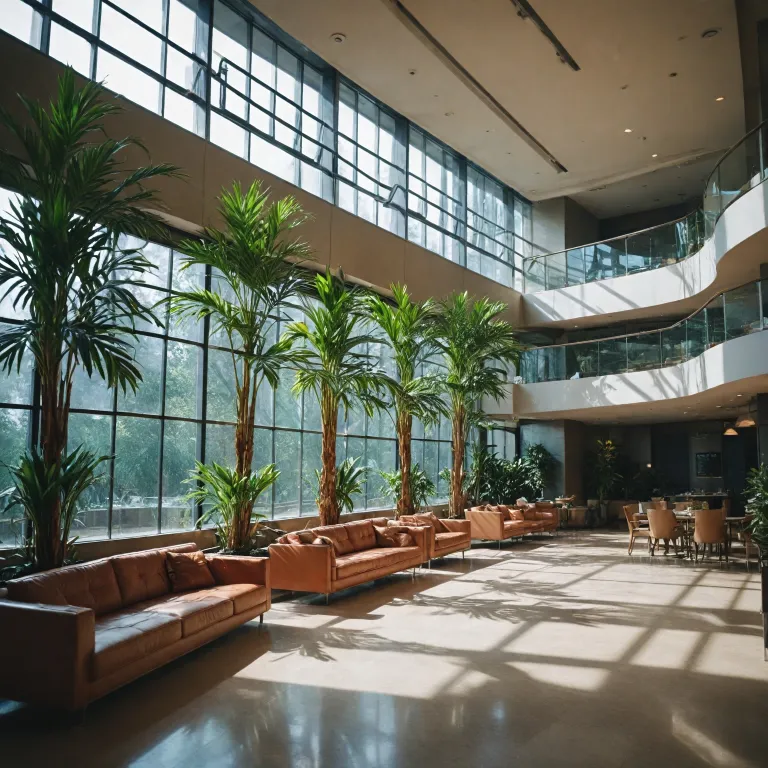
Understanding the impact of indoor air quality on guest experience in hotel lobbies
Indoor air quality in hotel lobbies is a critical factor influencing guest comfort and overall satisfaction. Guests expect clean air as part of their experience, and poor air can quickly diminish the perception of a quality hotel. The presence of particulate matter, dust, and volatile organic compounds in indoor air can lead to discomfort and health concerns for both guests and staff. Quality management teams must recognize that air pollution is not only a health risk but also a reputational risk for hotels aiming to position themselves as leaders in guest experience. Real time monitoring of air quality enables hotels to respond swiftly to fluctuations, ensuring that indoor air remains fresh and clean at all times. By prioritizing air quality, hotels can create a welcoming lobby environment that sets the tone for the entire guest journey.
Technological innovations: integrating advanced air purifiers and real time monitoring systems
Modern hotels are increasingly adopting advanced air purifiers and real time air quality monitoring systems to maintain optimal indoor air conditions. HEPA filters, UV-C light air purification systems, and portable air purifiers are now standard tools for quality hotels seeking to improve air quality in their lobbies. These technologies capture particulate matter, reduce dust, and eliminate volatile organic compounds, ensuring that guests breathe clean air from the moment they enter the lobby. The integration of smart sensors allows for continuous quality monitoring, alerting facility maintenance teams to any decline in air quality. This proactive approach to air quality management not only enhances guest comfort but also supports long term health outcomes for both guests and staff. For those seeking further insights on smart building solutions, the hotel technology innovation guide offers a comprehensive overview of the latest trends.
Operational excellence: maintenance protocols and eco-friendly practices for sustained clean air
Consistent maintenance of HVAC systems and air purifiers is essential for sustaining clean air in hotel lobbies. Facility maintenance teams must schedule regular cleaning and replacement of filters to prevent the accumulation of dust and particulate matter. The use of eco-friendly cleaning products reduces the emission of volatile organic compounds, contributing to a healthier indoor environment. Hotels that implement these protocols demonstrate a commitment to both guest health and environmental responsibility. Quality management processes should include periodic audits of air quality and the effectiveness of purifiers, ensuring that standards are upheld over time. For more on operational best practices, explore our hotel maintenance optimization resource for actionable strategies.
Leveraging natural solutions: the role of indoor plants and biophilic design in air purification
Incorporating indoor plants and biophilic design elements into hotel lobbies offers a natural complement to technological air purification. Certain indoor plants are effective at absorbing pollutants such as benzene and formaldehyde, releasing fresh air and improving overall air quality. This approach not only enhances the aesthetic appeal of the lobby but also contributes to guest comfort and well-being. The synergy between air purifiers and natural solutions creates a multi-layered defense against air pollution, supporting a holistic guest experience. Quality hotels that embrace biophilic design signal their commitment to long term health and sustainability.
Data-driven decision making: using real time air quality monitoring for proactive management
Real time air quality monitoring empowers hotel management and facility maintenance teams to make informed decisions that directly impact guest experience. Sensors placed throughout the lobby provide continuous data on particulate matter, volatile organic compounds, and other indicators of air pollution. This data enables rapid response to any decline in air quality, minimizing the risk of poor air affecting guests or staff. Quality management teams can use historical data to identify trends and optimize the placement of air purifiers and plants for maximum effectiveness. By leveraging data-driven insights, hotels can ensure that their lobbies consistently deliver clean air and a superior guest experience. The integration of monitoring systems also supports compliance with health and safety regulations, reinforcing the hotel's reputation as a quality hotel.
Stakeholder collaboration: aligning hotel management, maintenance, and environmental consultants for optimal results
Effective air quality improvement in hotel lobbies requires collaboration among hotel management, facility maintenance teams, and environmental consultants. Hotel management sets the vision and allocates resources for air quality initiatives, while maintenance teams execute daily operations and ensure the functionality of air purifiers and monitoring systems. Environmental consultants provide expertise on compliance and the latest innovations in air purification and indoor air quality management. This multi-disciplinary approach ensures that all aspects of air quality, from technical solutions to guest comfort, are addressed comprehensively. As one expert notes, "HEPA filters capture at least 99.97% of airborne particles as small as 0.3 microns, effectively reducing contaminants in the air." Another adds, "Yes, strategically placed air purifiers can significantly reduce airborne contaminants in large spaces by continuously filtering the air." Finally, "Certain indoor plants can absorb pollutants like benzene and formaldehyde, releasing oxygen and improving overall air quality." These insights underscore the importance of integrating technology, natural solutions, and expert guidance to achieve long term success in air quality management.
Key statistics on air quality improvement in hotel lobbies
- Reduction in airborne contaminants with HEPA filters: 99.97%
- Energy savings from optimized HVAC systems: 25%
Frequently asked questions about improving air quality in hotel lobbies
How do HEPA filters improve air quality?
HEPA filters capture at least 99.97% of airborne particles as small as 0.3 microns, effectively reducing contaminants in the air.
Are air purifiers effective in large spaces like hotel lobbies?
Yes, strategically placed air purifiers can significantly reduce airborne contaminants in large spaces by continuously filtering the air.
What role do indoor plants play in air purification?
Certain indoor plants can absorb pollutants like benzene and formaldehyde, releasing oxygen and improving overall air quality.
What are the benefits of real time air quality monitoring in hotels?
Real time monitoring allows hotels to detect and address air quality issues immediately, ensuring a consistently clean and healthy environment for guests and staff.
How can hotels ensure long term air quality management?
By combining advanced purification technologies, regular maintenance, eco-friendly practices, and expert consultation, hotels can sustain high indoor air quality over time.
