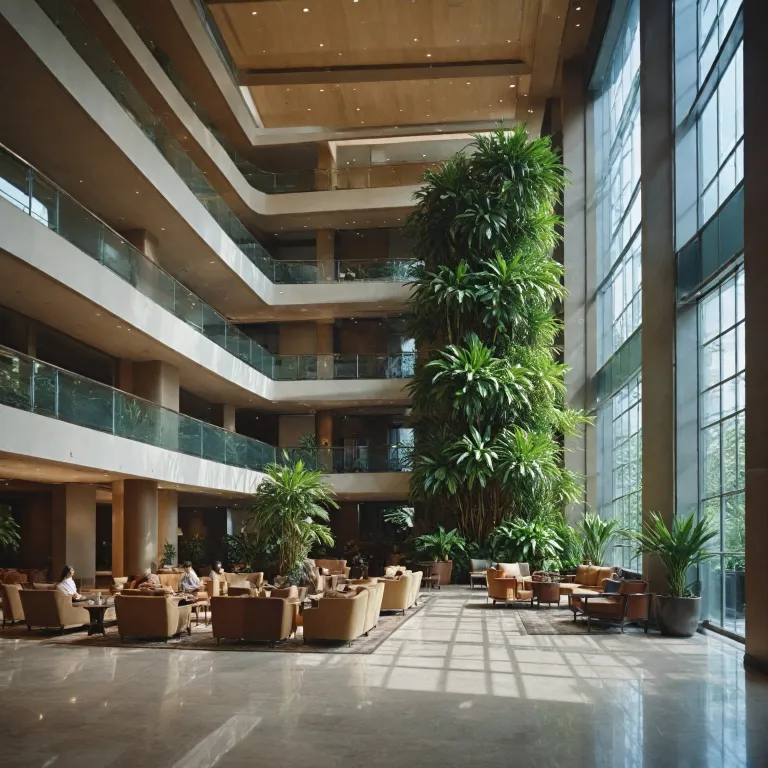
Transforming hotel sustainability with smart technology and digital systems
Hotels are redefining sustainability by integrating advanced technology and digital systems to minimize their environmental footprint. The hospitality industry faces mounting pressure to reduce energy consumption, conserve water, and manage waste efficiently. Smart technology, such as AI-driven energy management systems and IoT-enabled sensors, empowers hotels to monitor and optimize energy use in real time, resulting in significant energy efficiency gains and operational cost reductions.
Leading hotel chains like Marriott International have adopted energy management systems that leverage artificial intelligence to analyze guest preferences and adjust room conditions for optimal comfort and energy savings. These hotel technology solutions not only help reduce energy usage but also enhance the guest experience by providing personalized, eco friendly environments. Digital signage and smart TVs in guest rooms further support sustainability by reducing paper waste and enabling efficient communication with guests.
Water management systems, as implemented by Hilton Hotels, utilize sensors to detect leaks and monitor usage, contributing to substantial water savings and supporting sustainable hotel operations. By integrating digital and smart management systems, hotels can achieve measurable improvements in sustainability, reduce their environmental impact, and elevate guest satisfaction. The adoption of sustainable technologies is no longer optional for the hospitality industry; it is a strategic imperative that aligns with both environmental and business objectives.
Optimizing energy efficiency and renewable energy adoption in hospitality
Energy efficiency is at the core of sustainable hotel operations, with smart technology playing a pivotal role in reducing consumption and environmental impact. Hotels are increasingly turning to renewable energy sources, such as solar panels and energy storage systems, to power their properties and decrease reliance on traditional energy grids. Hotel Marcel, for example, operates as a zero-energy building, utilizing over 1,000 solar panels and advanced energy storage to meet all its energy needs.
Smart thermostats, occupancy sensors, and AI-driven management systems enable hotels to adjust heating, cooling, and lighting in real time based on guest occupancy and preferences. This approach not only reduces energy waste but also ensures a comfortable and sustainable guest experience. The integration of renewable energy into hotel management systems further enhances sustainability by lowering greenhouse gas emissions and supporting eco friendly operations.
Energy management systems are now essential components of hotel technology, helping properties achieve sustainability certifications and improve their environmental footprint. For those seeking to deepen their understanding of energy efficiency strategies, the comprehensive guide to hotel energy management provides valuable insights into best practices and innovative solutions. As the hospitality industry continues to embrace sustainable technology, the focus on energy efficiency will remain a driving force behind environmental stewardship and operational excellence.
Water conservation and smart management systems for sustainable hotels
Water conservation is a critical aspect of hotel sustainability, with innovative management systems enabling properties to significantly reduce consumption and waste. Smart water management technologies, such as greywater recycling systems and leak detection sensors, allow hotels to monitor usage in real time and address inefficiencies promptly. Hilton Hotels has demonstrated leadership in this area by implementing sensor-based systems that detect leaks and optimize water usage across their properties.
These smart systems not only help hotels conserve water but also support broader sustainability goals by reducing the environmental impact of daily operations. Digital solutions, including mobile apps and integrated management platforms, provide hotel staff with actionable data to improve water efficiency and enhance the guest experience. By leveraging technology, hotels can offer guests eco friendly amenities and transparent information about their sustainability initiatives.
For a deeper dive into water management best practices and the latest innovations, explore the water conservation strategies for hotels resource. The adoption of sustainable technologies for water management is transforming the hospitality industry, enabling hotels to achieve measurable results in water savings and environmental stewardship. As guest expectations evolve, hotels that prioritize water conservation and smart management systems will stand out as leaders in sustainability.
Reducing waste and food waste through digital innovation in hospitality
Waste reduction is a pressing challenge for the hospitality industry, with food waste representing a significant portion of the environmental footprint of hotels. Digital innovation is enabling hotels to tackle this issue by implementing smart management systems that track and analyze waste generation in real time. These systems help hotels identify inefficiencies, optimize inventory, and reduce food waste through data-driven decision-making.
Digital signage and smart TVs play a role in waste reduction by minimizing the need for printed materials and enhancing communication with guests. Mobile apps and digital check-in systems further support sustainability by streamlining operations and reducing paper usage. By adopting these digital solutions, hotels can improve operational efficiency, lower costs, and demonstrate a commitment to sustainable practices.
Hotel sustainability initiatives that focus on waste reduction not only benefit the environment but also enhance guest satisfaction by aligning with the values of eco conscious travelers. The integration of digital and smart technology into hotel operations is essential for achieving long-term sustainability and maintaining a competitive edge in the hospitality industry.
Enhancing guest experience and satisfaction with sustainable technology
The guest experience is central to the success of any hotel, and sustainable technology is increasingly shaping how hotels deliver exceptional service while minimizing environmental impact. Smart technology, such as AI-driven personalization and real time monitoring of guest preferences, enables hotels to tailor services and amenities to individual needs. This approach not only enhances guest satisfaction but also supports sustainability by optimizing resource use and reducing waste.
Management systems that integrate digital signage, smart TVs, and mobile apps provide guests with seamless access to information and services, improving convenience and reducing the need for printed materials. Hotels that prioritize sustainable technology are able to offer eco friendly options, such as digital room controls and renewable energy-powered amenities, which appeal to environmentally conscious guests. As a result, the hospitality industry is witnessing a shift towards more sustainable and guest-centric operations.
"They optimize energy use by monitoring and controlling systems in real-time, leading to significant reductions in energy consumption and operational costs." This expert insight underscores the value of smart energy management systems in enhancing both sustainability and the guest experience. By leveraging technology for hotel sustainability, properties can differentiate themselves in a competitive market and build lasting relationships with their guests.
Achieving environmental certifications and reducing environmental footprint in hotels
Environmental certifications, such as LEED, are becoming increasingly important for hotels seeking to demonstrate their commitment to sustainability. Achieving these certifications requires the integration of sustainable technologies, including energy management systems, water conservation solutions, and waste reduction initiatives. Proximity Hotel, for example, has achieved Platinum LEED certification by implementing over 70 sustainable practices, setting a benchmark for the industry.
Hotel management systems that track and report on environmental performance are essential for meeting certification requirements and driving continuous improvement. The adoption of renewable energy, smart technology, and digital solutions enables hotels to reduce their environmental footprint and achieve measurable results in sustainability. "LEED certification signifies that a hotel has met stringent environmental standards, demonstrating a commitment to sustainability and potentially attracting eco-conscious travelers."
As the hospitality industry evolves, hotels that invest in sustainable technology and pursue environmental certifications will be well positioned to meet the expectations of guests, investors, and regulators. The focus on reducing environmental impact through innovative management systems and sustainable practices is transforming the industry and setting new standards for hotel sustainability.
Key statistics on technology for hotel sustainability
- Energy reduction in properties with advanced systems: 33%.
- Water savings in properties with advanced systems: 40%.
- Reduction in greenhouse gas emissions in properties with advanced systems: 21%.
Frequently asked questions about technology for hotel sustainability
What are some examples of sustainable technologies used in hotels?
Examples include AI-driven energy management systems, water conservation technologies like greywater recycling, digital check-in systems, and renewable energy solutions such as solar panels.
How do smart energy management systems benefit hotels?
They optimize energy use by monitoring and controlling systems in real-time, leading to significant reductions in energy consumption and operational costs.
What is the significance of LEED certification for hotels?
LEED certification signifies that a hotel has met stringent environmental standards, demonstrating a commitment to sustainability and potentially attracting eco-conscious travelers.
How can hotels reduce food waste using technology?
Hotels can use digital management systems to track food inventory, analyze waste patterns, and implement strategies to minimize food waste, contributing to overall sustainability goals.
