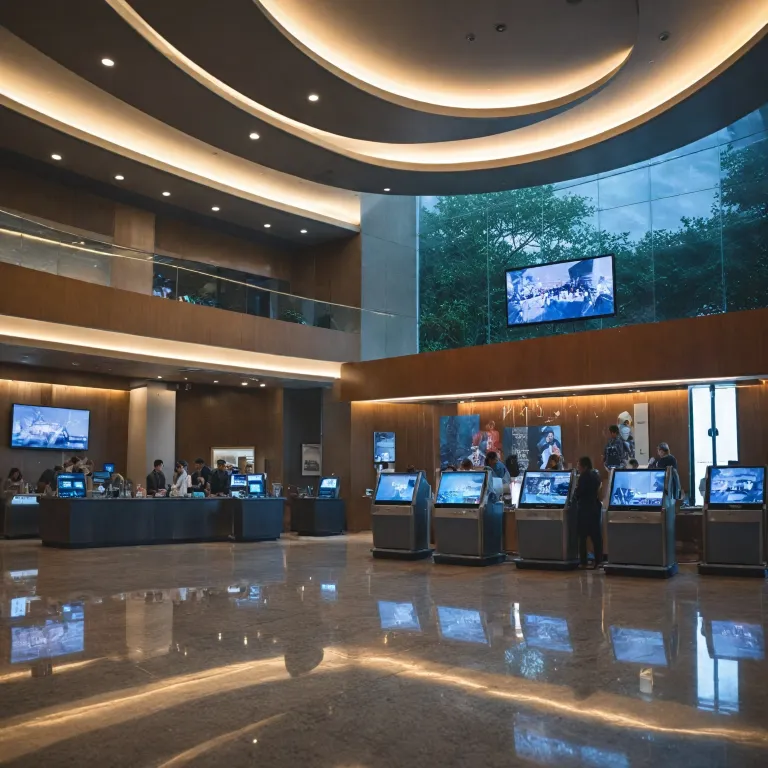
Machine learning in hospitality: Driving operational excellence and guest satisfaction
The hospitality industry is experiencing a profound transformation as machine learning and artificial intelligence become integral to daily operations. Hospitality businesses are leveraging data-driven systems to optimize resource allocation, streamline operations, and personalize guest experiences. Machine learning in hospitality enables hotels to anticipate guest needs, automate routine tasks, and deliver tailored services that enhance customer satisfaction.
Leading hotel chains such as Marriott International and Hilton Hotels have adopted AI-powered chatbots and virtual assistants to provide real-time support and information to guests. These applications in hospitality reduce customer service wait times by up to 30%, demonstrating the power of intelligence machine solutions. The integration of predictive analytics and large language models allows for dynamic pricing strategies, ensuring revenue management is both responsive and profitable.
By analyzing customer reviews and operational data, hospitality industry leaders can identify trends and opportunities for improvement. The use of machine learning in hospitality businesses not only boosts efficiency but also creates a competitive edge in the travel hospitality sector. As the industry continues to evolve, the role of artificial intelligence and machine learning will only grow, offering new opportunities and challenges for IT directors, innovation managers, and CTOs.
Personalization and predictive analytics: Enhancing the customer experience in travel hospitality
Personalization is at the heart of the modern hospitality industry, with machine learning applications driving significant advancements in customer experience. Hotels now utilize predictive analytics to analyze guest preferences, booking patterns, and feedback, enabling them to offer bespoke services and recommendations. This data-driven approach helps hospitality businesses anticipate guest needs and deliver memorable experiences that foster loyalty.
Artificial intelligence systems, such as those implemented by InterContinental Hotels Group and Hyatt Hotels, use large language models to interpret customer reviews and respond to inquiries in real time. These applications hospitality not only improve communication but also help identify areas for operational improvement. The integration of intelligence machine solutions enables hotels to provide timely, relevant offers and services, increasing guest satisfaction and revenue.
For IT leaders and travel tech startups, the challenge lies in harnessing the full potential of machine learning while maintaining data privacy and security. As the hospitality industry becomes more reliant on predictive analytics and real-time data, robust systems and processes are essential. For further insights on leveraging predictive analytics in hospitality, explore our guide to advanced hotel analytics.
Revenue management and dynamic pricing: Maximizing profitability through machine learning
Revenue management is a critical focus for hospitality businesses, and machine learning in hospitality is revolutionizing how hotels set prices and manage inventory. Dynamic pricing algorithms powered by artificial intelligence analyze vast amounts of data, including demand patterns, competitor rates, and customer reviews, to optimize room rates in real time. This approach ensures that hotels maximize revenue during peak periods and remain competitive during low-demand times.
Hilton Hotels and Radisson Blu have successfully implemented AI-driven dynamic pricing models, resulting in significant improvements in revenue management. The hospitality industry benefits from predictive analytics that allow for accurate forecasting and agile decision-making. Machine learning applications in hospitality enable businesses to respond quickly to market changes, reducing the risk of lost revenue and enhancing profitability.
For CTOs and innovation managers, adopting data-driven revenue management systems is essential for staying ahead in the competitive travel hospitality landscape. The integration of large language models and intelligence machine solutions further refines pricing strategies, ensuring that hotels can adapt to evolving market conditions. To learn more about dynamic pricing and its impact on hospitality businesses, visit our dynamic pricing strategies resource.
Operational efficiency and automation: Streamlining hospitality industry processes
Operational efficiency is a top priority for hospitality businesses seeking to reduce costs and improve service delivery. Machine learning in hospitality enables the automation of routine tasks, such as check-in processes, housekeeping scheduling, and energy management. AI-powered systems analyze operational data to optimize resource allocation and minimize waste, contributing to sustainability goals.
Hotels like Henn Na Hotel and Eccleston Square Hotel have embraced artificial intelligence and robotics to enhance operational efficiency. These innovations help hospitality industry leaders achieve significant reductions in labor costs and improve the overall guest experience. The use of predictive analytics and real-time monitoring allows for proactive maintenance and swift resolution of issues, minimizing disruptions to operations.
As the future industry landscape evolves, IT directors and travel tech startups must prioritize the integration of machine learning applications that deliver measurable results. Data-driven decision-making and automation are key to maintaining a competitive edge in the travel hospitality sector.
Challenges and opportunities: Navigating the future of machine learning in hospitality
The adoption of machine learning in hospitality presents both opportunities and challenges for industry stakeholders. While artificial intelligence and predictive analytics offer significant benefits, they also require robust data governance and security measures. Hospitality businesses must ensure that customer data is protected and used ethically, particularly as large language models and intelligence machine solutions become more prevalent.
Opportunities challenges arise in balancing personalization with privacy, as guests expect tailored experiences without compromising their data. The hospitality industry must also address the need for skilled professionals, such as data scientists and machine learning engineers, to develop and maintain advanced systems. Collaboration with technology providers, data analytics firms, and hospitality management software companies is essential for successful implementation.
As machine learning continues to shape the future industry, IT leaders and innovation managers must stay informed about emerging trends and best practices. The integration of artificial intelligence in travel hospitality will help businesses remain agile and responsive to changing market demands. The journey toward fully realizing the potential of machine learning in hospitality requires ongoing investment in technology, talent, and strategic partnerships.
Real-world applications: Case studies and expert insights on intelligence machine in hospitality
Several leading hospitality businesses have demonstrated the transformative impact of machine learning and artificial intelligence. Marriott International’s ChatBotlr provides instant guest assistance, while Hilton Hotels’ Connie robot concierge learns from interactions to deliver personalized recommendations. InterContinental Hotels Group’s Concierge AI manages reservations and queries, enhancing communication and efficiency.
Hyatt Hotels and Radisson Blu have implemented AI-powered chatbots and voice assistants to streamline bookings and address guest concerns in real time. Henn Na Hotel’s use of robots and AI for check-in processes exemplifies the power of automation in the hospitality industry. Eccleston Square Hotel’s integration of smart glass and adjustable beds showcases how data-driven innovations can elevate the customer experience.
As one expert notes, “AI improves customer service by providing 24/7 assistance through chatbots, offering personalized recommendations, and reducing wait times for guests.” Another highlights, “Dynamic pricing allows hotels to adjust room rates based on demand, maximizing revenue during peak periods and attracting guests during low-demand times.” These real-world examples underscore the opportunities challenges and benefits of intelligence machine applications in travel hospitality.
Strategic implementation: Best practices for IT leaders and hospitality innovators
Successful adoption of machine learning in hospitality requires a strategic approach that aligns technology with business objectives. IT directors and innovation managers should begin by identifying key areas where artificial intelligence and predictive analytics can deliver the greatest impact. This includes customer experience enhancement, revenue management, and operational efficiency.
Developing a robust data strategy is essential for leveraging the full potential of machine learning applications in hospitality. Hospitality businesses must invest in secure, scalable systems that support real-time data processing and analysis. Collaboration with technology partners and ongoing training for staff are critical to ensuring successful implementation and long-term value.
The future industry will be shaped by the continued evolution of intelligence machine solutions and large language models. By embracing data-driven decision-making and fostering a culture of innovation, hospitality industry leaders can unlock new opportunities and navigate the challenges of digital transformation. The journey toward intelligent, customer-centric operations is well underway, and those who lead the way will set new standards for excellence in travel hospitality.
Key statistics on machine learning in hospitality
- Reduction in customer service wait times with AI chatbots: 30%.
- Waste reduction achieved by Hilton properties using AI systems: 70%.
- Reduction in call center volume with AI-powered chatbots: 70%.
Frequently asked questions about machine learning in hospitality
How is AI improving customer service in hotels?
AI improves customer service by providing 24/7 assistance through chatbots, offering personalized recommendations, and reducing wait times for guests.
What are the benefits of dynamic pricing in hospitality?
Dynamic pricing allows hotels to adjust room rates based on demand, maximizing revenue during peak periods and attracting guests during low-demand times.
How does AI contribute to sustainability in hotels?
AI contributes to sustainability by optimizing energy usage through smart management systems, reducing waste, and enhancing resource efficiency.
Trusted sources for further reading on machine learning in hospitality
- https://www.gurutechnolabs.com/ai-in-hospitality/
- https://www.mara-solutions.com/post/the-future-of-hospitality-industry-integrating-ai-into-hotels-and-restaurants
- https://www.numberanalytics.com/blog/machine-learning-boosts-tourism
