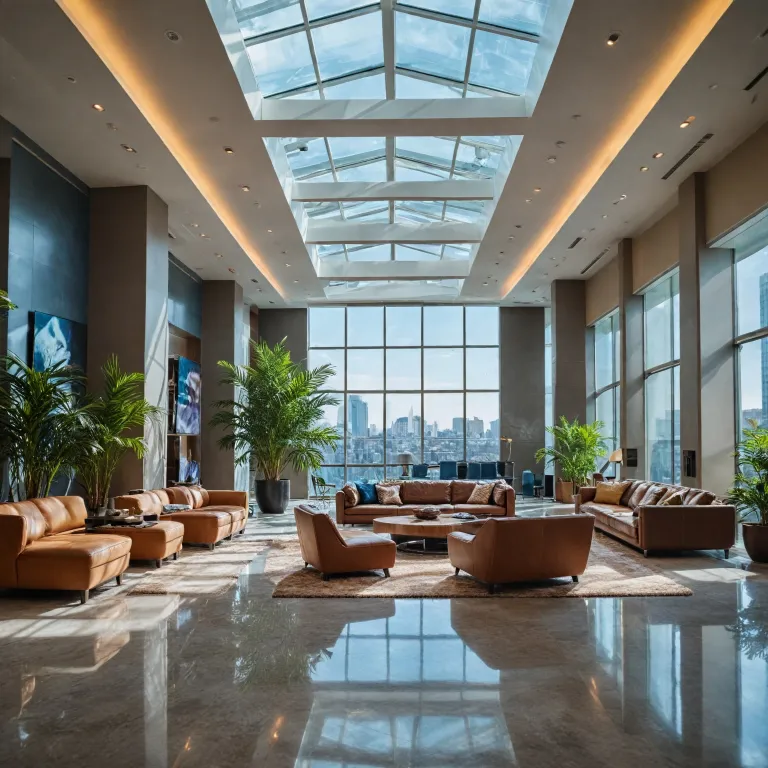
Transforming guest expectations through interactive virtual hotel tours
Virtual reality hotel tours are redefining how potential guests interact with hotels and resorts online. By leveraging high quality 360° video and photography, hotels now offer immersive virtual tours that allow users to explore hotel rooms, suites, and amenities from anywhere in the world. This technology is not just a marketing tool; it is a strategic asset for hotels aiming to enhance their online presence and increase booking conversion rates. The experience of a virtual tour enables guests to view hotel rooms, conference centres, and public spaces in detail, providing a realistic sense of scale and atmosphere. Hotels like Best Western Hotels & Resorts have implemented virtual reality hotel tours across thousands of properties, setting a new standard for transparency and guest engagement. The ability to explore hotel collections virtually helps guests make informed decisions, reducing the likelihood of disappointment upon arrival. Interactive virtual tours are also transforming the way hotels approach marketing. By integrating virtual tours into social media campaigns and booking platforms, hotels can reach a wider audience and showcase their unique offerings. The impact of these tours is measurable; a 16% increase in bookings has been observed where virtual tours are available. This shift towards immersive content is not just a trend but a fundamental change in how hotels connect with potential guests.Innovative technology powering virtual reality hotel tours
The backbone of virtual reality hotel tours lies in advanced technology, including 360° cameras, VR software platforms, and web integration tools. These tools allow hotels to create high quality, interactive virtual tours that can be embedded directly into their websites and booking engines. The result is a seamless tour experience for users, who can navigate through hotel rooms, suites, and amenities with ease. Virtual tour providers such as FLYT1 and Foster Virtual Properties specialize in creating hotel virtual tours tailored to the unique needs of each property. Their expertise ensures that every room, view, and amenity is captured in detail, offering potential guests a comprehensive look at what the hotel has to offer. The integration of virtual tours with booking systems further streamlines the reservation process, allowing guests to move from exploration to booking in a few clicks. For IT directors and innovation managers, the adoption of virtual hotel tours represents a significant opportunity to differentiate their properties in a competitive market. By investing in interactive virtual technology, hotels can enhance their marketing efforts, improve guest satisfaction, and reduce the need for in-person site visits. For more insights on digital transformation in hospitality, explore our guide to hospitality technology trends at https://www.ai-for-travel.com/blog/how-voice-activated-hotel-rooms-are-redefining-guest-experiences-and-operational-excellence.Enhancing the guest journey: From online exploration to booking
The journey of a potential guest often begins online, where first impressions are formed through images and videos. Virtual reality hotel tours elevate this experience by offering an interactive, immersive view of hotels and resorts. Guests can explore hotel rooms, conference centres, and public spaces, gaining a true sense of the property before making a reservation. This level of transparency builds trust and confidence among potential guests. According to recent data, 92% of internet users find 360° panoramas essential when browsing hotels online. The ability to view hotel rooms and amenities in detail helps guests set realistic expectations and reduces the risk of dissatisfaction. Virtual tours also support group bookings and event planning by allowing organizers to explore conference centres and meeting rooms remotely. Hotels that invest in high quality virtual tours see tangible benefits, including increased engagement on social media and higher booking conversion rates. The integration of virtual tours with marketing campaigns and online booking platforms ensures that the tour experience is accessible at every stage of the guest journey. For a deeper dive into how virtual tours are shaping the future of hotel marketing, read our article on digital guest engagement at https://www.ai-for-travel.com/blog/how-hotels-elevate-guest-experience-through-artificial-intelligence.Strategic marketing advantages of virtual hotel tours
Creating hotel virtual tours is not just about showcasing rooms; it is a powerful marketing strategy that enhances a hotel's online presence. Virtual tours hotels can be shared across multiple channels, including social media, email campaigns, and third-party booking sites. This multi-channel approach increases visibility and attracts a broader audience of potential guests. Interactive virtual tours provide a competitive edge by allowing hotels to highlight unique features, such as city views, luxury suites, and conference facilities. The ability to explore hotel collections virtually encourages guests to spend more time on the hotel's website, increasing the likelihood of direct bookings. Hotels resorts that utilize virtual tours report a 40% reduction in wasted viewings, as guests can assess the property remotely before committing to a visit. The marketing impact of virtual tours extends beyond individual bookings. Hotels can use virtual reality content to attract event planners, corporate clients, and travel agents, showcasing their facilities in a compelling and interactive format.Operational efficiencies and ROI from virtual tour implementation
The adoption of virtual reality hotel tours delivers measurable operational benefits for hotels and resorts. By providing detailed, high quality virtual tours, hotels reduce the need for in-person site visits, saving time and resources for both staff and guests. This efficiency is particularly valuable for large properties with extensive conference centres and event spaces. Virtual tours also streamline the sales process by enabling potential guests and event planners to explore hotel rooms and amenities remotely. This capability will help hotels respond more quickly to inquiries and close bookings faster. The integration of virtual tours with CRM and booking systems ensures that all guest interactions are tracked and optimized for maximum conversion. From an investment perspective, the ROI on virtual tour technology is clear. Hotels that implement virtual tours see higher engagement, increased bookings, and improved guest satisfaction. The ability to create a compelling online presence through interactive virtual content positions hotels for long-term success in a digital-first marketplace. The main content of a hotel's website should prioritize virtual tours to meet the evolving expectations of today's travelers.Future trends: Personalization and intelligence in virtual hotel tours
The future of virtual reality hotel tours lies in personalization and the integration of artificial intelligence. Hotels are beginning to offer customized tour experiences that adapt to the preferences of each guest, showcasing relevant rooms, amenities, and services. AI-driven recommendations within virtual tours will help guests discover features that match their interests, enhancing the overall experience. The use of augmented reality alongside virtual tours is also gaining traction, allowing guests to interact with digital overlays and access real-time information about hotel facilities. This innovation creates a more engaging and informative tour experience, bridging the gap between online exploration and in-person visits. As technology evolves, hotels will continue to push the boundaries of what is possible with virtual tours, setting new standards for guest engagement and satisfaction. Virtual reality hotel tours are not just a trend; they are a fundamental shift in how hotels connect with potential guests. By embracing interactive virtual technology, hotels can create memorable experiences, drive bookings, and maintain a competitive edge in the hospitality industry. As one expert notes, "Virtual reality hotel tours are immersive digital experiences that allow potential guests to explore hotel properties remotely using 360° images and videos." This approach ensures that every guest can explore hotel options with confidence and clarity.Key statistics on virtual reality hotel tours
- 16% increase in bookings with virtual tours available (TIG Global)
- 92% of internet users find 360° panoramas essential when browsing hotels online (Gekkota 3D)
- 40% reduction in wasted viewings due to virtual tours (Medium)
Frequently asked questions about virtual reality hotel tours
What are virtual reality hotel tours?
Virtual reality hotel tours are immersive digital experiences that allow potential guests to explore hotel properties remotely using 360° images and videos.
How can I access a hotel's virtual tour?
Many hotels provide virtual tours on their official websites or through their YouTube channels. For example, Best Western offers VR tours on their YouTube channel, bestwesternTV.
Do virtual tours accurately represent the hotel?
Yes, virtual tours are designed to provide realistic and accurate representations of hotel properties, helping guests make informed booking decisions.
Trusted sources for further reading on virtual reality hotel tours
- https://www.bestwestern.com/
- https://www.flyt1.com/
- https://www.fostervp.com/
