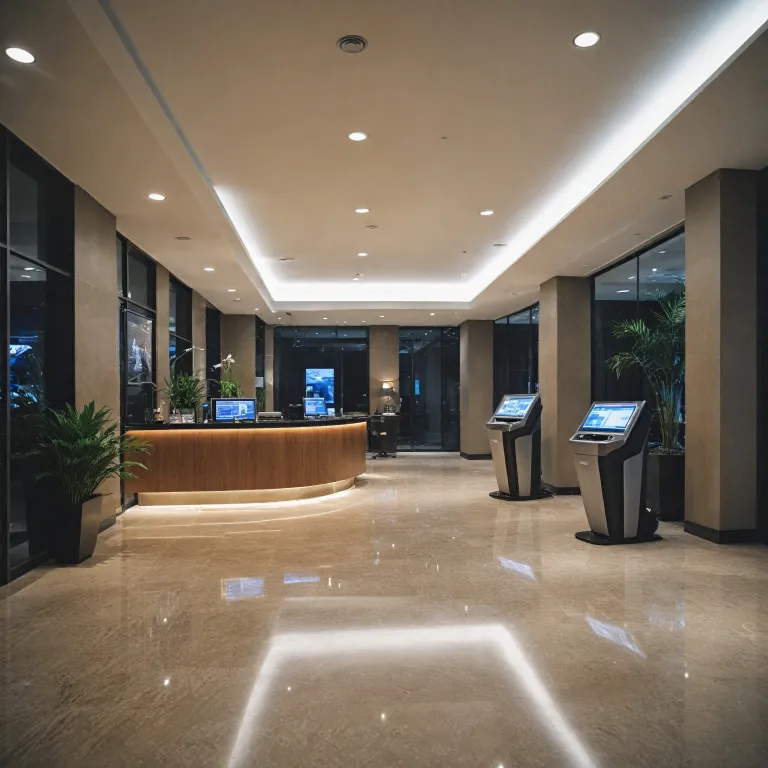
Smart hospitality redefined: the evolution of best smart hotels in Europe
Across Europe, the best smart hotels are transforming the hospitality landscape by integrating advanced technology into every aspect of the guest journey. These hotels, from boutique properties to established chains, leverage artificial intelligence, mobile apps, and contactless solutions to create seamless, personalized stays. The rise of smart hotels in Europe is driven by the demand for efficiency, convenience, and memorable experiences, especially among IT directors, innovation managers, hotel CTOs, travel tech startups, software publishers, and tech investors.
Hotels such as Eccleston Square Hotel in London and CityHub Amsterdam exemplify how boutique hotels can offer high-tech amenities without sacrificing the intimate charm that defines their category. Guests can book a room, control lighting and temperature, or access hotel services through intuitive apps, reflecting the growing trend of mobile-first experiences. In Italy and other key destinations, the integration of AI-powered concierge services and smart room controls is becoming a standard expectation for both leisure and business travelers seeking the best boutique hotel experience.
For those planning a city break or searching for unique places to stay, smart hotels in Europe offer more than just a room—they provide a dynamic, connected environment. The ability to book, check-in, and customize the hotel room experience via smartphone or tablet is now a core differentiator. As the travel guide industry evolves, recommendations increasingly highlight hotels Europe-wide that combine design, technology, and service, making them highly recommendable for forward-thinking guests and professionals alike.
Key innovations shaping the best smart hotels in Europe
Innovation in the hospitality sector is not limited to guest-facing technology; it extends to operational efficiency and sustainability. The best smart hotels in Europe deploy AI-driven analytics to optimize energy consumption, streamline housekeeping, and enhance restaurant and spa operations. For example, KViHotel Budapest operates almost entirely through a mobile app, allowing guests to manage every aspect of their stay, from booking to room access, while providing valuable data to hotel management for continuous improvement.
Hotels are also investing in contactless solutions, such as digital room keys and automated check-in kiosks, which have become essential in the post-pandemic era. According to recent statistics, 60% of hotels now use mobile check-in, and 75% of travelers prefer hotels with smart technology. This shift is particularly evident in boutique hotels and small boutique properties, where personalized service is enhanced by technology rather than replaced.
For IT leaders and innovation managers, the integration of smart systems offers new opportunities to differentiate their hotel or hotel chain. The adoption of AI-powered concierge services, advanced booking platforms, and smart pool or spa management systems not only improves the guest experience but also drives operational excellence.
Personalization and guest-centricity in boutique hotels and smart destinations
Personalization is at the heart of the best smart hotels in Europe, with technology enabling tailored experiences for every guest. From curated city break itineraries to AI-driven restaurant recommendations, boutique hotels leverage data and digital tools to anticipate and exceed guest expectations. The hotel experience is further enhanced by app-controlled room settings, allowing guests to adjust lighting, temperature, and entertainment with ease.
In destinations such as Paris, London, and the United Kingdom, boutique hotels and hotel spas are using technology to create unique, memorable stays. The integration of smart mirrors, voice assistants, and digital concierge services transforms the traditional hotel room into a connected hub. For those seeking a friendly hotel atmosphere, these innovations foster a sense of comfort and control, making every stay feel bespoke.
Travelers can now book their stay, access exclusive offers, and manage their itinerary through platforms that integrate with Pinterest boards or travel guide apps. This seamless connectivity extends to small commission-based booking systems, allowing hotels to reach new audiences while maintaining direct relationships with guests.
Case studies: leading smart hotels and their transformative technologies
Several hotels in Europe stand out for their pioneering use of technology. Eccleston Square Hotel in London is renowned for its high-tech amenities, including smart beds, in-room tablets, and app-based controls. CityHub Amsterdam offers futuristic sleeping pods and app-controlled lighting, catering to digital natives seeking a unique hotel experience. Blow Up Hall 50 50 in Poland redefines the boutique hotel concept with digital art installations and iPhone room keys, merging creativity with convenience.
YOTEL, a hotel chain with properties across Europe, is recognized for its modular rooms and automated check-in kiosks, making it a top choice for travelers who value efficiency. The nhow Berlin hotel, Europe’s first music-themed hotel, integrates advanced audio systems and creative spaces, appealing to artists and tech enthusiasts alike. Each of these hotels demonstrates how smart technology can elevate the guest experience, from booking to check-out, while maintaining the distinctive character of boutique hotels.
For IT directors and innovation leaders, these case studies offer valuable insights into the practical application of smart solutions in real-world settings. By analyzing guest feedback and operational data, hotels can refine their offerings and stay ahead in a competitive market.
Operational excellence and ROI: smart investments for hotels Europe-wide
Investing in smart technology delivers measurable benefits for hotels, from increased guest satisfaction to improved operational efficiency. AI-powered analytics help hotels optimize staffing, reduce energy costs, and enhance the performance of amenities such as pools and spas. The ability to monitor and manage hotel operations in real time allows for proactive maintenance and rapid response to guest needs, ensuring a consistently high standard of service.
For boutique hotels and small boutique properties, smart investments can level the playing field with larger competitors. By adopting advanced booking systems, digital marketing tools, and guest feedback platforms, these hotels can attract tech-savvy travelers and secure a reputation as the best boutique destinations in Europe. The integration of smart technology also supports sustainability initiatives, reducing waste and energy consumption while enhancing the overall hotel experience.
Hotel owners and investors should consider the long-term ROI of smart solutions, balancing upfront costs with the potential for increased bookings, positive reviews, and repeat stays. As the market for hotels Europe-wide becomes more competitive, the ability to offer a connected, personalized experience will be a key differentiator. For those seeking inspiration, the northern lights of innovation are shining brightest in destinations where technology and hospitality converge.
Guest engagement and digital marketing in the era of smart hotels
Effective digital marketing is essential for promoting the best smart hotels in Europe to a global audience. Hotels leverage platforms like Pinterest, travel guide websites, and social media to showcase their unique features, from boutique hotel design to high-tech amenities. By sharing engaging content and encouraging guests to post best moments from their stay, hotels can build a loyal community and attract new visitors.
Smart hotels also benefit from integrated booking systems that streamline the reservation process and offer personalized recommendations based on guest preferences. The use of small commission models allows hotels to maintain control over their distribution channels while reaching a wider audience. For city break travelers and those seeking unique places to stay, digital marketing campaigns highlight the value of booking directly with a hotel located in a prime destination, such as a valley hotel in Italy or a hotel spa in Paris.
To maximize guest engagement, hotels should encourage guests to read recent reviews, share their experiences, and participate in loyalty programs. The combination of smart technology and authentic storytelling creates a compelling narrative that resonates with modern travelers. As one expert notes, "A smart hotel integrates advanced technology to enhance guest experiences, such as mobile check-in, app-controlled room settings, and AI services."
Future trends: AI, automation, and the next generation of hotel experiences
The future of hospitality in Europe is defined by the continued evolution of smart hotels and the integration of artificial intelligence, automation, and data-driven personalization. Hotels are experimenting with AI-powered chatbots, robotic room service, and predictive analytics to anticipate guest needs and deliver exceptional service. The best smart hotels in Europe are also exploring partnerships with travel tech startups and software publishers to stay at the forefront of innovation.
As guest expectations evolve, hotels must balance technology with human-centric service, ensuring that digital solutions enhance rather than replace personal interactions. The rise of friendly hotel environments, where staff are empowered by smart tools, is a testament to the enduring value of hospitality. For investors and industry leaders, the opportunity to shape the next generation of hotel experiences is both a challenge and an invitation to innovate.
Whether in a bustling city or a tranquil valley hotel, the convergence of technology and hospitality promises a future where every stay is tailored, efficient, and memorable. As another expert confirms, "Yes, smart hotels typically offer traditional services alongside technological innovations to cater to all guest preferences." The journey to the best smart hotels in Europe is just beginning, with endless possibilities for growth and transformation.
Key statistics on smart hotels and guest preferences
- 60% of hotels use mobile check-in, reflecting widespread adoption of contactless technology.
- 75% of travelers prefer hotels with smart technology, highlighting the growing demand for digital amenities.
Frequently asked questions about smart hotels in Europe
What defines a smart hotel?
A smart hotel integrates advanced technology to enhance guest experiences, such as mobile check-in, app-controlled room settings, and AI services.
Are smart hotels more expensive than traditional hotels?
Not necessarily. While some smart hotels are luxury establishments, others offer competitive pricing similar to traditional hotels.
Do smart hotels offer traditional services as well?
Yes, smart hotels typically offer traditional services alongside technological innovations to cater to all guest preferences.
Trusted sources for further reading on smart hotels in Europe
- Hotel Technology News
- Travel Weekly
- Official hotel websites (e.g., Eccleston Square Hotel, YOTEL, CityHub Amsterdam)
