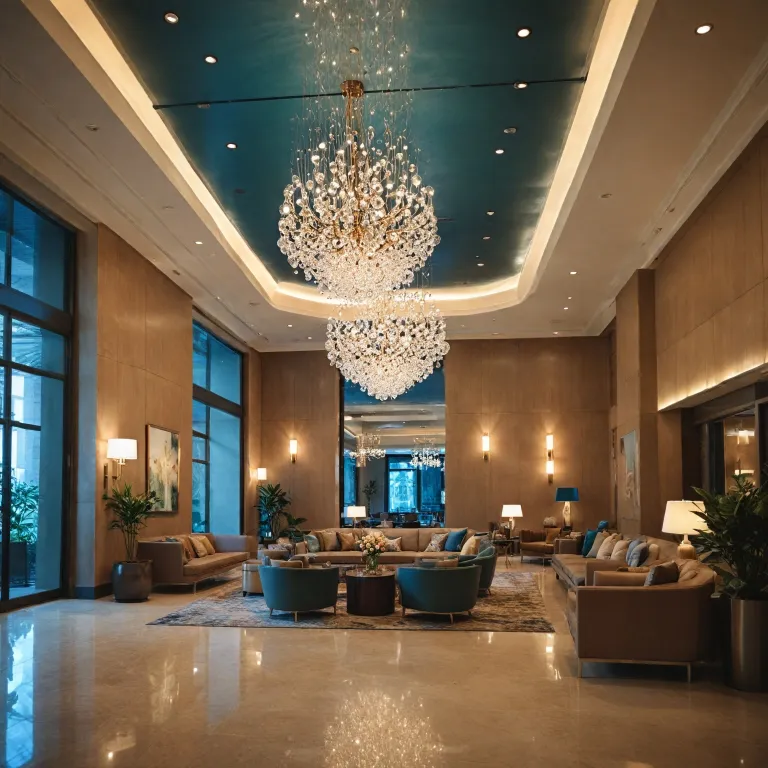
Transforming guest experience through smart lighting in hotels
Hotels with smart lighting systems are setting new benchmarks in the hospitality industry by seamlessly blending technology with comfort. The integration of advanced lighting solutions allows guests to personalize their room lighting, enhancing both relaxation and productivity. These lighting systems, equipped with wireless controls and smart devices, enable guests to tailor their environment in real time, creating a truly bespoke guest experience.
Lighting solutions in modern hotel rooms are no longer limited to simple on-off switches. Instead, guests control lighting through mobile apps, room tablets, or even voice-controlled assistants, offering intuitive and accessible lighting control. This shift not only improves the guest experience but also aligns with the growing demand for smart hotel environments. The hospitality industry recognizes that lighting hospitality is central to guest satisfaction, and hotels are investing in lighting systems that adapt to individual preferences and needs.
Operational efficiency is another significant benefit of smart lighting in hotels. By integrating lighting control with other systems such as HVAC and room service, hotels can optimize energy use and streamline operations. The result is a more sustainable and cost-effective approach to hotel lighting, benefiting both guests and hotel operators.
Smart lighting systems: the backbone of modern hotel efficiency
Efficiency and sustainability are at the core of the hospitality industry’s adoption of smart lighting systems. Hotels with smart lighting solutions leverage advanced control systems to monitor and adjust lighting in real time, reducing energy consumption and operational costs. The use of sensors and automation ensures that lighting is only active when needed, contributing to significant energy savings.
Lighting systems integrated with the internet of things (IoT) enable hotels to collect data on guest preferences and room occupancy. This data-driven approach allows for continuous improvement in both guest experience and operational efficiency. Lighting controls can be managed centrally, giving hotel staff the ability to adjust settings across multiple rooms or areas, further enhancing efficiency.
Hotels are increasingly partnering with technology providers to implement lighting solutions that meet the unique demands of the hospitality industry. These partnerships ensure that lighting hospitality remains at the forefront of innovation, with solutions tailored to the specific needs of hotel guests and operators. For a deeper dive into the latest advancements in lighting control, visit our article on smart building automation in hospitality.
Personalization and control: empowering guests with smart lighting
The evolution of hotel lighting is centered on guest empowerment. Hotels with smart lighting systems provide guests with unprecedented control over their environment, allowing for a highly personalized stay. Whether adjusting the brightness for reading or setting the mood for relaxation, guests control every aspect of their room lighting through intuitive interfaces.
Mobile apps and room tablets have become standard tools for guests to interact with lighting systems. These smart devices offer seamless integration with other room features, such as climate control and entertainment, enhancing the overall guest experience. Voice-controlled assistants add another layer of convenience, enabling hands-free lighting control and further personalizing the guest journey.
Lighting solutions designed for the hospitality industry prioritize both functionality and aesthetics. Circadian lighting, for example, adapts to the time of day, supporting guest well-being and comfort. Hotels recognize that lighting is not just about visibility but about creating memorable guest experiences. For more on how hotels are leveraging smart devices for guest satisfaction, see our feature on guest-centric technology in hotels.
Integrating lighting systems with hotel operations for seamless service
Integration is key to maximizing the benefits of smart lighting in hotels. Lighting systems are now commonly linked with property management, HVAC, and room service platforms, enabling a holistic approach to hotel operations. This interconnectedness streamlines service delivery and enhances the guest experience by ensuring that every aspect of the room is optimized for comfort and efficiency.
Real-time data from lighting control systems allows hotel staff to anticipate guest needs and respond proactively. For example, occupancy sensors can trigger lighting adjustments when guests enter or leave their rooms, while also informing housekeeping and maintenance schedules. This level of integration supports both operational efficiency and superior guest service.
Hotels with smart lighting solutions benefit from reduced energy costs and improved sustainability metrics. The hospitality industry is increasingly focused on adopting lighting systems that support environmental goals without compromising guest comfort. Lighting hospitality is evolving to meet these dual objectives, positioning hotels as leaders in sustainable innovation.
Energy management and sustainability: the impact of smart hotel lighting
Energy efficiency is a primary driver for the adoption of smart lighting in hotels. Lighting systems equipped with sensors and automation can significantly reduce energy usage by adjusting to occupancy and natural light levels. This not only lowers operational costs but also supports the hospitality industry’s commitment to sustainability.
Hotels with smart lighting systems are able to monitor and manage energy consumption in real time, identifying opportunities for further savings. Lighting control systems can be programmed to dim or switch off lights in unoccupied areas, maximizing efficiency without sacrificing guest experience. The integration of lighting solutions with energy management software provides hotels with actionable insights to optimize performance.
Lighting hospitality is increasingly recognized as a critical component of sustainable hotel operations. By investing in advanced lighting systems, hotels demonstrate their commitment to environmental stewardship and operational excellence. The hospitality industry’s focus on energy-efficient lighting solutions is reshaping the standards for hotel lighting worldwide.
Future trends: wireless controls, IoT, and the evolution of guest experiences
The future of hotel lighting lies in the continued evolution of wireless controls and IoT integration. Hotels with smart lighting systems are exploring new ways to enhance guest experiences through technology. Wireless lighting controls offer flexibility and scalability, allowing hotels to adapt quickly to changing guest needs and operational requirements.
Smart hotel environments are increasingly defined by the seamless integration of lighting systems with other smart devices and platforms. The use of real-time data and analytics enables hotels to deliver personalized guest experiences while maintaining high levels of efficiency. Lighting solutions that incorporate voice-controlled assistants and mobile apps are setting new standards for convenience and accessibility.
As the hospitality industry continues to innovate, lighting hospitality will remain a focal point for enhancing guest satisfaction and operational performance. The adoption of advanced lighting control systems positions hotels at the forefront of technological progress, ensuring that guest experiences are both memorable and sustainable.
Key statistics: smart lighting adoption in hotels
- 56% of hotels feel pressure to upgrade technology, including lighting systems (Hotels.com Hotel Room Innsights survey).
Frequently asked questions about hotels with smart lighting systems
What are smart lighting systems in hotels?
Smart lighting systems in hotels are advanced lighting solutions that allow for automated and customizable control of lighting to enhance guest experience and improve energy efficiency.
How do smart lighting systems benefit hotel guests?
They provide personalized lighting settings, improve comfort, and can be adjusted to suit individual preferences, contributing to a more enjoyable stay.
Are smart lighting systems energy-efficient?
Yes, they often include features like occupancy sensors and daylight harvesting, which help reduce energy consumption by adjusting lighting based on room occupancy and natural light availability.
Trustworthy sources for further reading
- https://www.hotels.com
- https://www.signify.com
- https://www.hospitalitynet.org
