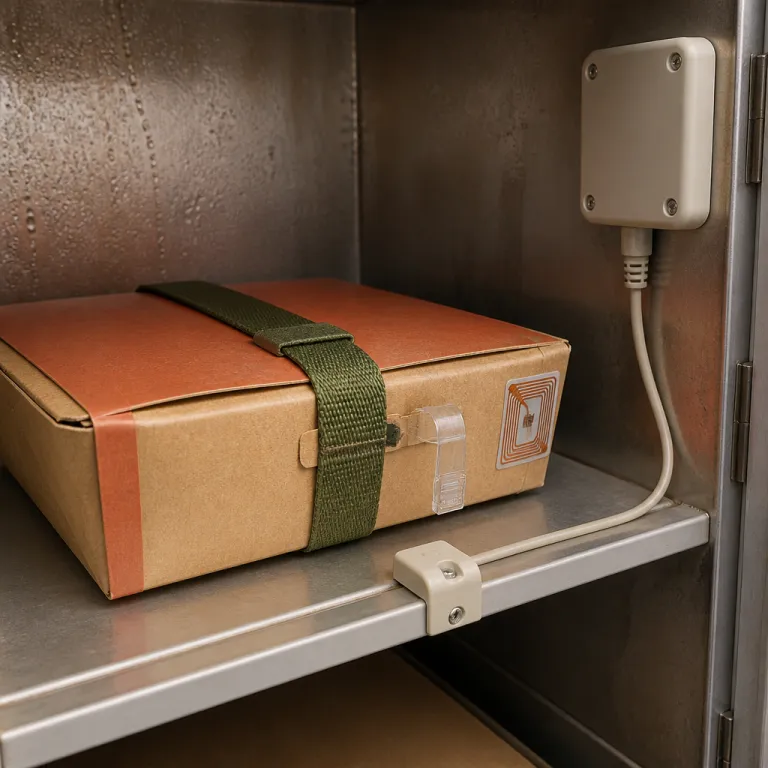
Executive summary: Meal lockers are shifting from niche hardware to core hospitality tech. For hotel IT and innovation leaders, they now sit at the crossroads of smart locker platforms, tightening regulation and evolving guest expectations, with measurable impact on operations, compliance and ancillary revenue.
Meal lockers in hospitality: smart locker strategy, regulation and market outlook to 2026
From niche hardware to strategic asset: why meal lockers matter for hospitality
Meal lockers have moved from experimental gadgets to core infrastructure in modern food service. For hotel IT directors and innovation leaders, these systems now sit at the intersection of smart locker technology, evolving regulation and shifting market trends through 2026, as well as long term guest experience strategy. Secure, automated cabinets for storing and retrieving meals are no longer optional add ons; they are becoming a defining layer of the global food service and parcel logistics stack.
Behind this shift, the lockers market is being driven by rising demand for contactless food and parcel flows across mixed use hospitality assets. Campus hotels, extended stay properties and branded residences are using smart lockers to orchestrate food service, grocery delivery and parcel management through a single digital locker platform. This convergence is expanding the effective market size well beyond traditional food service, pulling in revenue from logistics, retail and even co working operators that share the same buildings.
For investors tracking market trends, the global meal locker market size was estimated at 238.18 million USD in the previous period and is projected to reach 247.37 million USD in the next cycle, according to Global Growth Insights’ Global Food Delivery Lockers Market Report 2024–2029 (section on regional market size and forecasts). That may look modest compared with multi USD billion hospitality technology segments, yet the growth trajectory and market share dynamics are compelling for companies that can bundle smart locker solutions with broader product offerings. Hospitality groups that treat the locker as a data rich, AI enabled node in their service architecture will capture more value than those that see it as a simple metal box with a lock.
Technology stack: IoT, AI and the new smart locker operating model
At a technical level, the most advanced smart locker platforms now integrate IoT sensors, edge computing and AI based orchestration engines. Each individual locker becomes a connected endpoint that can monitor temperature, door status, cleaning cycles and security features in real time. For hotel CTOs, this transforms lockers from static hardware into programmable assets that can be managed like any other node on the network.
In practice, smart lockers and automated meal lockers are orchestrating multiple food service and parcel workflows simultaneously. A single bank of lockers can handle quick service restaurant orders, room service meals, staff canteen food and third party parcel deliveries without operational chaos. AI models can allocate compartments dynamically based on predicted demand by segment, time of day and even guest tier, which directly supports revenue optimisation and reduces failed deliveries.
Security is also evolving from simple mechanical lock systems to layered digital safeguards that satisfy both hospitality compliance teams and external regulatory bodies. Encrypted access codes, identity verification and audit trails are now standard in the leading smart locker solutions, and these capabilities are increasingly referenced in every serious market report. For innovation teams exploring AI driven bar concepts and late night food service, the same infrastructure can support unattended cocktail pickup or minibar replenishment, as illustrated by the experimentation around AI driven bar concepts and investment theses in hospitality highlighted in this analysis of how AI is reshaping bar models and capital allocation: https://www.ai-for-travel.com/how-voli-orange-vanilla-fusion-vodka-is-reshaping-ai-driven-bar-concepts-and-investment-theses-in-hospitality.
Regulatory pressure and hygiene standards: what changes for hotel operators
Regulatory scrutiny around food safety, data protection and physical security is intensifying as connected meal locker ecosystems mature. Health authorities and other regulatory bodies now treat meal lockers as part of the food service chain, not as neutral storage, which means that compliance obligations follow the food all the way to the locker. This has direct implications for how hotels document cleaning protocols, temperature control and access rights for both staff and consumers.
From a hygiene perspective, regulators increasingly expect automated logs of cleaning cycles, temperature checks and door openings for every locker compartment. Smart lockers with integrated sensors and automated reporting can generate the evidence required for inspections, while legacy lockers without such security features may expose operators to risk. The World Health Organization’s food safety guidance on time and temperature control for ready to eat meals reinforces the need for continuous monitoring and traceability in any food holding equipment. In regions such as the European Union, for example, Regulation (EC) No 852/2004 on the hygiene of foodstuffs requires documented Hazard Analysis and Critical Control Point (HACCP) procedures, which in practice can translate into digital records of locker temperature ranges, holding times and cleaning confirmations. For IT directors, this means that the choice between different product offerings in the lockers market is no longer just about price and aesthetics; it is about whether the platform can support regulatory reporting at scale.
Data protection rules also shape how guest identities are linked to locker access codes and how long those data are retained in the broader locker ecosystem. When smart locker platforms integrate with PMS, POS and CRM systems, hotel groups must ensure that consent, encryption and cross border data transfers comply with the most stringent regimes in regions such as the European Union or the Middle East. Under frameworks like the EU’s General Data Protection Regulation, this can include defining retention periods for locker access logs, lawful bases for processing and procedures for data subject access requests. For distribution and digital leaders already adapting to conversational booking and AI driven merchandising, the same discipline applies to locker related data flows, echoing the operational playbooks that hotel distribution teams are building around conversational flight booking and AI enabled channels as analysed here: https://www.ai-for-travel.com/mindtrip-and-sabre-ship-conversational-flight-booking-what-hotel-distribution-teams-need-to-do-now.
Global market geography: where growth, demand and revenue are concentrating
The geography of smart meal locker adoption is far from uniform, and hospitality investors need to understand where growth is accelerating. In North America, the combination of high labour costs, strong quick service restaurant brands and mature parcel delivery networks is driving rapid deployment of smart lockers in mixed use hospitality assets. Hotels in major urban markets are using lockers to handle both food service and parcel volumes, freeing front desk teams from acting as ad hoc logistics hubs.
Across South America and the wider Americas region, the lockers market is emerging more unevenly, with premium urban hotels and corporate campuses leading adoption. In the Asia Pacific region, by contrast, the locker market is benefiting from dense urban populations, mobile first consumers and a culture of technology experimentation, which together create rising demand for automated food and parcel solutions. East Africa and parts of the Middle East are seeing early pilots where lockers support both global food brands and local food service operators, often in partnership with last mile delivery companies that need secure drop off points.
For global investors, the key question is how these regional dynamics translate into market share and long term revenue potential. While the absolute market size for meal lockers remains below the multi USD billion thresholds of other hospitality technologies, the compound growth rate is attractive, especially in regions where regulatory clarity is improving. Strategic market analysis, supported by robust industry report data and on the ground surveys, is essential before committing capital to manufacturers, software vendors or operating companies that specialise in smart lockers and automated food service ecosystems.
Business models, product offerings and ecosystem plays for hospitality groups
For hotel groups and travel tech startups, the most interesting opportunities lie in the ecosystem around lockers rather than in the hardware alone. Meal locker manufacturers, food service providers and software companies are experimenting with product offerings that bundle lockers, AI orchestration and analytics into recurring revenue models. These models align well with the way hospitality groups already think about SaaS, payment gateways and distribution platforms.
One emerging pattern is the use of smart locker platforms as shared infrastructure across multiple brands, tenants and service lines within a single property. A large urban hotel might allocate some lockers to room service, others to staff meals and still others to external quick service brands that rent digital shelf space, effectively creating a micro marketplace inside the building. In such scenarios, the lockers market becomes a platform play where market share is measured not only in units installed but also in transaction volume, data generated and cross selling potential across different consumer segments.
Investors tracking technology, regulation and market trends around meal lockers through 2026 should pay close attention to how companies monetise software, analytics and integrations rather than just hardware margins. Platforms that can integrate with PMS, POS, loyalty systems and building management systems will command a premium, because they enable hotels to orchestrate food, parcel and service flows holistically. For C suite leaders and investors scanning the broader AI and tech signals in hospitality, the strategic framing offered in this field guide for AI and tech signals that C level teams and investors are tracking in hospitality: https://www.ai-for-travel.com/ihif-berlin-2026-field-guide-the-ai-and-tech-signals-c-suite-investors-are-tracking provides a useful lens for positioning locker centric investments within the wider digital transformation agenda.
Operational excellence: from pilots to scaled deployment in hotels
Moving from pilot projects to scaled deployment of meal lockers in hospitality requires rigorous operational design. IT directors and innovation leaders must define clear use cases across food service, parcel handling and staff operations before selecting any locker or smart locker solution. Without that clarity, even the most advanced smart lockers with impressive security features and automation can underperform in real world hotel environments.
Successful deployments start with a granular understanding of guest journeys, staff workflows and building constraints, including where lockers can be placed to balance convenience, security and brand aesthetics. Hotels need to model demand by time of day, by consumer segment and by service type, then size the locker footprint accordingly to avoid both under utilisation and bottlenecks. Integration with ordering channels, payment systems and identity management is equally critical, because fragmented experiences will erode the perceived value of the lockers for both guests and staff.
Training and change management complete the picture, as front line teams must understand how to handle exceptions, failed locks, hygiene incidents and regulatory inspections. A case study from a major US airport hotel using a leading vendor’s smart food lockers reported a 25% reduction in room service delivery times and a double digit increase in late night order volume within six months of rollout, according to internal operator benchmarking shared in industry conference materials, illustrating the operational upside when design and execution align. As one industry FAQ succinctly puts it, "What are meal lockers? Secure, automated systems for storing and retrieving meals." That simple definition hides a complex operational reality, but hotels that master it will convert the current wave of technological, regulatory and market shifts into tangible improvements in guest satisfaction, staff productivity and ancillary revenue across their global portfolios.
Key statistics and quantitative signals for the meal locker ecosystem
- Global Growth Insights estimated the global meal locker market size at 238.18 million USD in the previous period, with projections of 247.37 million USD in the following cycle and 256.92 million USD beyond that, indicating steady single digit growth that outpaces many traditional hardware categories in hospitality.
- Industry analyses show that a significant share of new locker deployments in North America and Asia Pacific are linked to food service and parcel use cases in mixed use hospitality assets, underlining the convergence of logistics and guest experience in a single smart locker footprint.
- Market research and surveys conducted with hotel operators highlight rising demand for smart lockers with advanced security features, as regulatory bodies increasingly treat lockers as part of the formal food service chain rather than neutral storage infrastructure.
- Integration of IoT and AI in meal lockers is now cited as a primary innovation driver in multiple market trends reports, with operators reporting measurable reductions in wait times and improved operational efficiency when automated allocation and monitoring are deployed at scale.
- Global adoption timelines indicate that increased deployment of meal lockers is expected to accelerate over a multi year horizon, with regulatory updates and market growth projections suggesting that the lockers market will continue to expand across regions such as North America, Asia Pacific, the Middle East, East Africa and South America.
FAQ: strategic questions about meal lockers in hospitality
What are meal lockers and how do they work in hotels?
Meal lockers in hospitality are secure, automated systems for storing and retrieving meals that integrate with ordering and payment channels. Guests or staff place food orders through mobile apps, kiosks or in room systems, and meals are then placed in individual locker compartments for contactless pickup. Users receive time limited access codes or digital keys, which they use to open the locker and collect their food or parcel without queueing.
Are meal lockers safe from a hygiene and security perspective?
Modern smart lockers are designed with both security and hygiene in mind, using robust physical construction, controlled access and detailed audit trails. Many platforms include temperature monitoring, cleaning alerts and automated logs that support compliance with food safety regulations. When configured correctly, these security features and processes make lockers at least as safe as traditional counter based food service, while reducing unnecessary contact.
Where are meal lockers most commonly deployed in the hospitality sector?
Meal lockers are increasingly used in workplaces, campuses and residential buildings that are connected to or managed by hospitality groups. Within hotels, they appear in lobbies, conference centres, staff areas and branded residences to support food service, parcel deliveries and quick service restaurant partnerships. Mixed use developments that combine hotels, offices and retail are particularly strong candidates, because a single locker installation can serve multiple user groups and revenue streams.
What are the main benefits of meal lockers for hotel operators?
For hotel operators, the primary benefits include convenience for guests, reduced wait times and more efficient allocation of staff resources. Lockers enable contactless pickup for food and parcel deliveries, which aligns with changing consumer expectations and reduces congestion at reception desks. They also generate operational data that can inform staffing, menu design and service hours, supporting better decisions about where to invest in future growth.
How should investors and CTOs evaluate vendors in the lockers market?
Investors and CTOs should assess vendors based on the robustness of their smart locker hardware, the maturity of their software stack and the strength of their integrations with hospitality systems. Key criteria include security features, regulatory compliance capabilities, scalability across regions such as North America, Asia Pacific and the Middle East, and the flexibility of product offerings for different food service and parcel use cases. The GSMA’s IoT Security Guidelines for commercial connected devices provide a useful benchmark for evaluating how vendors handle device integrity, data protection and lifecycle management. A thorough review of independent market trends reports and reference deployments in comparable properties is essential before committing to any long term partnership.
References
- Global Growth Insights, Global Food Delivery Lockers Market Report 2024–2029, market size and projections for meal and parcel lockers.
- World Health Organization, Five Keys to Safer Food and related food safety and hygiene guidelines for food service operations.
- GSMA, IoT Security Guidelines for Service Ecosystems and Endpoint Devices, security principles for connected devices in commercial environments.
